NATIONWIDE SERVICES
NON HAZARDOUS WASTE DISPOSAL
Industrial Waste Management with Cost Optimization and Regulatory Compliance
Call 800-669-9552
U.S. Waste Industries, Inc.
Nationwide Non-Hazardous Waste Disposal with Recycling, Cost Reduction, and Full Compliance
Professional management of construction debris, manufacturing waste, packaging materials, and industrial byproducts with waste minimization programs that reduce disposal costs and support sustainability goals.
Learn About Non-Hazardous Waste Disposal
NATIONWIDE SERVICE • REAL PEOPLE 24/7 EMERGENCY RESPONSE • 25+ YEARS • ZERO VIOLATIONS • OSHA HAZWOPER-TRAINED • DOT APPROVED • $21M INSURED
What Is Non-Hazardous Waste Disposal?
Non-hazardous waste includes industrial and commercial byproducts that don't meet EPA's hazardous waste criteria but still require proper handling and disposal. Your facility likely generates construction and demolition debris, packaging materials (cardboard, plastics, wood pallets), manufacturing process waste (metal shavings, dust, non-toxic residues), cafeteria and office waste, boiler ash and non-toxic sludges, or agricultural waste.
While these materials aren't classified as hazardous, you cannot dispose of them in municipal trash systems due to volume restrictions, composition concerns, and state regulations. Your facility must properly characterize waste, transport using licensed carriers, dispose at permitted facilities (Subtitle D landfills, recycling centers, composting facilities), and maintain documentation for regulatory compliance.
Professional non-hazardous waste management delivers measurable benefits: cost savings through recycling and waste minimization programs, regulatory compliance protecting against violations, operational efficiency freeing your staff from waste coordination, and ESG metrics supporting corporate sustainability reporting.
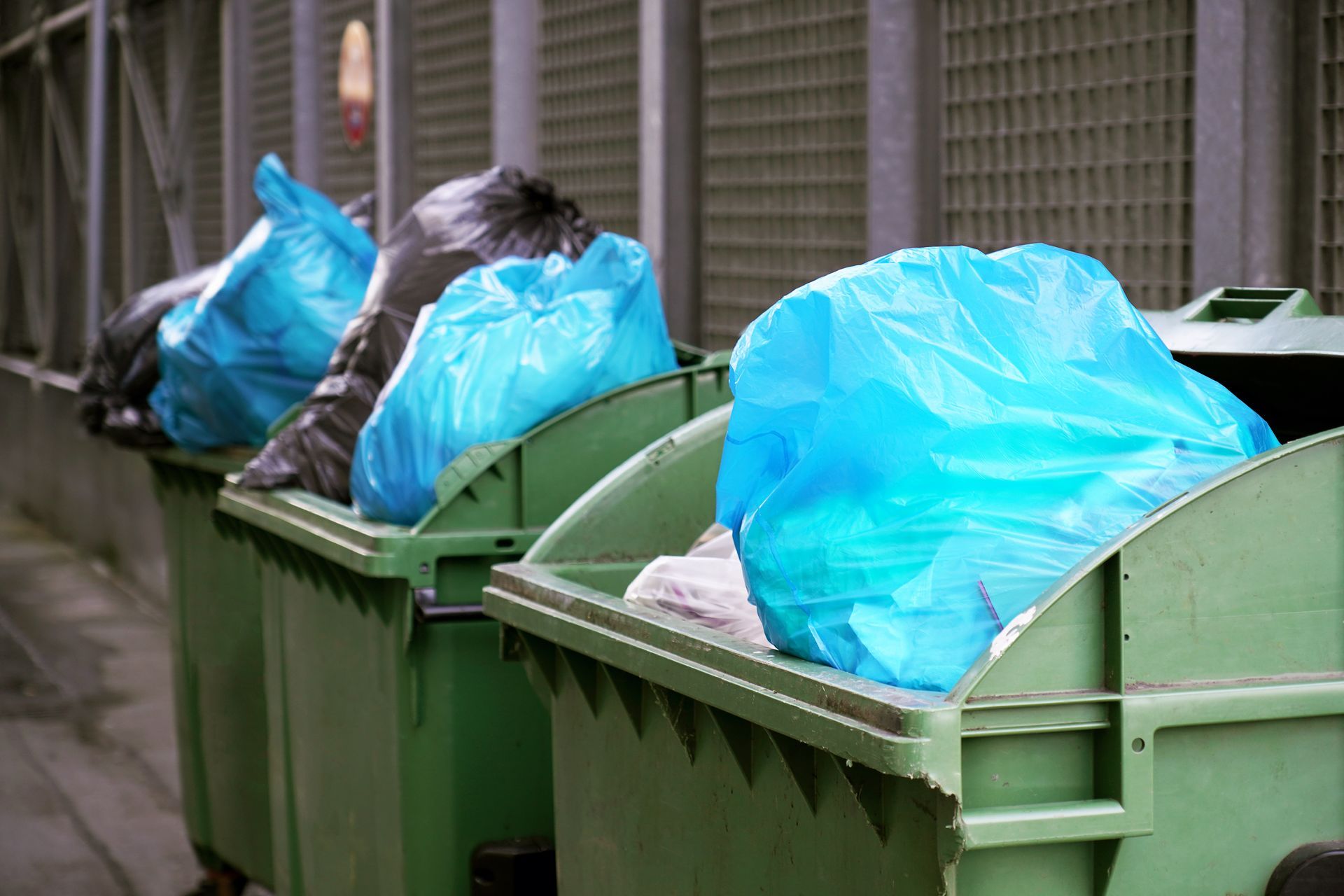
The challenge: Many facilities overpay for disposal because they're not separating recyclables, right-sizing containers, or optimizing pickup schedules. Worse, some non-hazardous waste streams contain hidden hazardous materials that trigger costly rejections at disposal facilities.
You need complete waste stream analysis, recycling opportunity identification, misclassification prevention, and cost-effective disposal solutions scaled from drum pickups to bulk roll-off containers.
Common Types Of Non-Hazardous Waste
Construction and Demolition Debris
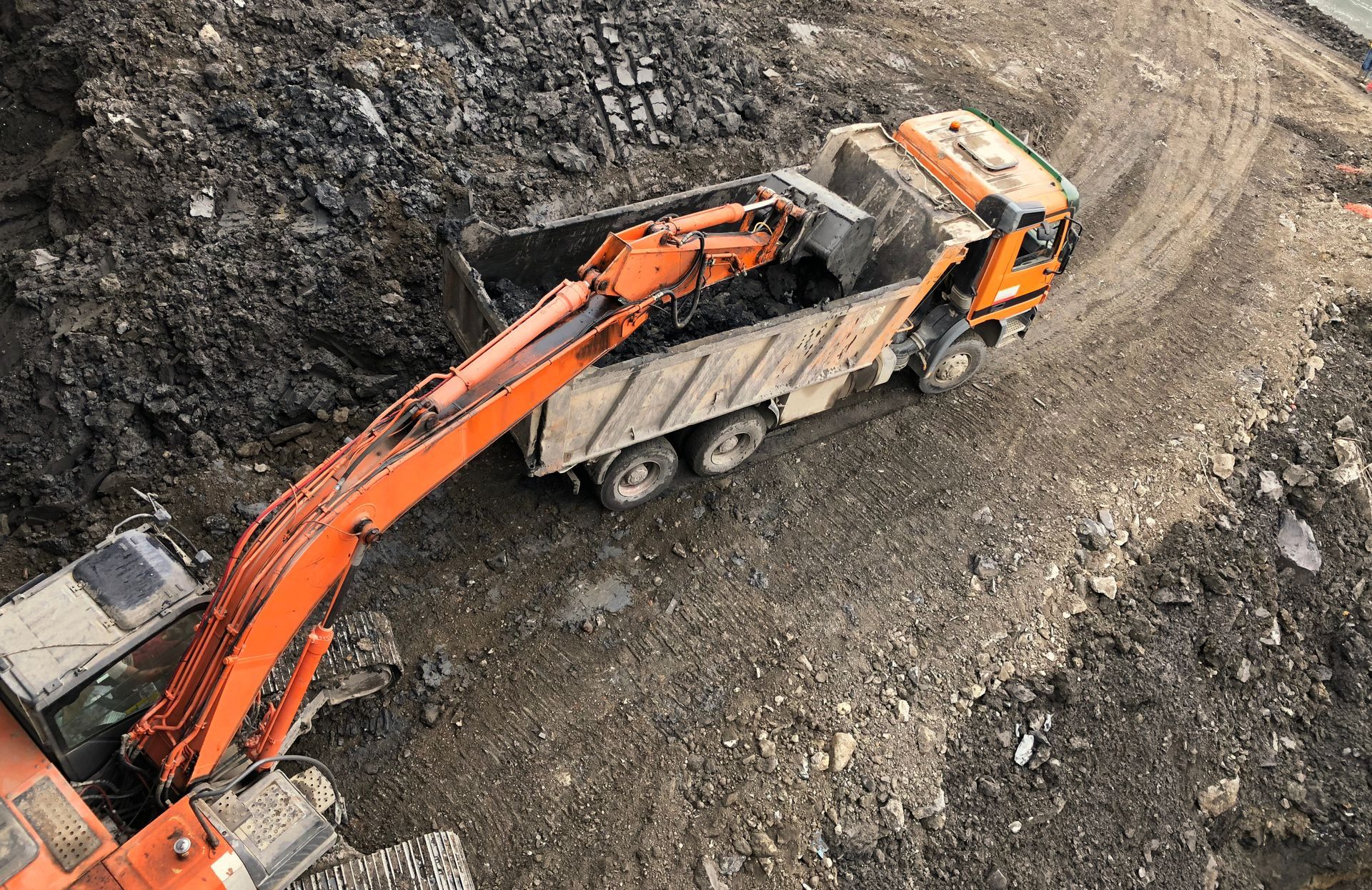
Concrete, asphalt, brick, wood framing, drywall, roofing materials, metal framing, clean soil. High recycling potential—concrete crushed for aggregate, metals sold for scrap, wood ground for mulch. Disposal at C&D landfills typically $30-$80 per ton.
Packaging Materials
Cardboard, plastic wrap, wood pallets, foam packaging, metal strapping. Most materials recyclable with significant cost savings. Cardboard baled and sold, plastic film recycled when clean, pallets reused or ground, metal strapping sold as scrap.
Manufacturing Process Waste
Metal shavings and turnings, plastic trim from molding, wood sawdust, fabric scraps, paper trimmings, non-toxic dust. Segregation programs maximize recycling value. Source reduction through process improvements further lowers costs.
Office and Cafeteria Waste
Paper, cardboard, plastics, food waste, glass containers. Recycling programs divert 50-70% of materials. Food waste composted or processed at organics facilities. Large commercial buildings benefit from efficient waste management.
Industrial Sludges and Residues
Non-toxic wastewater treatment sludge, boiler ash, incinerator ash, cooling tower sludge. Volume reduction through dewatering lowers transportation and disposal costs. Some materials suitable for beneficial reuse (ash in concrete).
Agricultural Waste
Crop residues, animal bedding, spoiled feed, greenhouse waste, packaging materials. Organic materials excellent composting candidates. Manure often land-applied under nutrient management permits.
Non-Hazardous Waste Disposal Methods
Subtitle D Landfills
Modern landfills with composite liners, leachate collection systems, and methane gas capture. General non-hazardous industrial waste, construction debris, and non-recyclable materials accepted. All loads inspected at gate with rejections for non-compliant materials.
Recycling and Material Recovery
Material recovery facilities (MRFs) sort and process recyclables. Scrap yards handle metals. Plastics processors sort by resin type. Glass crushed for aggregate or remelted. Source-separated materials command higher prices than mixed recyclables. Revenue from high-value metals offsets disposal costs.
Composting and Organics Processing
Food waste, yard trimmings, non-hazardous biosolids, and agricultural waste processed through aerobic decomposition. Final compost used in landscaping and agriculture. Some states mandate organics recycling for large generators. Anaerobic digestion alternative produces biogas for energy.
Beneficial Reuse
Clean fill (uncontaminated soil) for construction grading, crushed concrete and asphalt for road base, boiler ash in concrete production, shredded tires for playground surfaces and civil engineering applications. Beneficial reuse avoids landfilling while providing value.
Waste-to-Energy
High-BTU materials (plastics, wood, paper) incinerated with energy recovery, generating electricity or steam. Reduces waste volume 80-90%. Modern facilities meet EPA Clean Air Act emission standards. Not available in all regions but supports sustainability goals.
Cost Reduction Through Waste Minimization
Recycling Programs Lower Disposal Costs
Diverting materials from landfills reduces your expenses while generating value. Common opportunities include:
Metals: Steel, aluminum, copper, brass sold to scrap dealers, generating revenue based on market conditions
Cardboard and Paper: Baled and sold to recyclers
Wood Pallets: Reused, repaired, or ground for mulch/biomass fuel
Plastics: HDPE, PET, PVC recycled when properly segregated
Concrete and Asphalt: Crushed for aggregate in construction projects
Recycling is often less expensive than landfilling, and high-value metals generate revenue that offsets disposal costs. Many facilities achieve 30-50% cost reduction through waste minimization programs.
Container Optimization Reduces Hauling Frequency
Right-sizing containers prevents overpaying for frequent pickups or emergency hauls when containers overflow. Your waste generation patterns are analyzed, and the container size is matched to actual volumes. Consolidated scheduling—coordinating pickups to maximize fill rates—lowers per-ton transportation costs.
For high-volume generators, compactors reduce waste volume by 75-80%, dramatically cutting hauling frequency and costs.
Waste Audits Identify Hidden Savings
Professional waste stream audits reveal opportunities invisible to daily operations. Tracking includes waste types, volumes, sources, and disposal methods, then identifies segregation improvements, recycling potential, source reduction opportunities, and container/scheduling optimization.
Annual audits demonstrate program value and provide data for continuous improvement. Facilities typically recover audit costs within 2-3 months through disposal savings.
ESG and Sustainability Reporting
Waste diversion metrics support corporate sustainability goals and ESG disclosures. You receive:
- Landfill diversion rates (percentage of waste recycled or reused)
- Tonnage reports by material type
- Carbon footprint reduction from recycling (vs. landfilling)
- Cost savings and revenue from recycled materials
Many Fortune 500 companies mandate supplier waste diversion programs. Reporting ensures you meet these requirements.
OUR Non-Hazardous Waste Disposal Process
Step 1: Waste Assessment and Stream Analysis
Your waste generation patterns are evaluated to identify recyclable materials and verify proper classification. Assessment includes visual inspection of materials, review of waste sources (production processes, maintenance activities, packaging operations), volume and frequency tracking, and identification of recycling opportunities.
For materials where classification is unclear, testing is recommended to confirm non-hazardous status. This verification prevents costly rejections at disposal facilities and ensures you're not overpaying for hazardous waste disposal when simpler, less expensive methods apply.
Step 2: Waste Segregation and Recycling Programs
Segregation systems are designed to separate recyclables from landfill-bound waste at the point of generation. Your programs include dedicated containers for metals, cardboard, plastics, and wood, clear labeling and staff training, contamination prevention through proper sorting, and tracking systems measuring diversion rates.
Recycling reduces your disposal costs significantly. High-value metals (copper, aluminum, stainless steel) generate revenue. Cardboard, plastics, and wood pallets are cheaper to recycle than landfill. You receive monthly diversion reports supporting ESG goals and corporate sustainability commitments.
Step 3: Container Optimization and Scheduling
Containers are right-sized to match your waste generation, reducing unnecessary hauls and lowering costs. Your options include 55-gallon drums for smaller quantities, roll-off containers (10-40 cubic yards) for construction debris and bulk materials, compactors for high-volume ongoing generation, and specialized containers for unique materials.
Your pickup scheduling is optimized around operations—weekly, monthly, or on-call—ensuring containers don't overflow while minimizing transportation costs. High-volume facilities benefit from consolidated scheduling that maximizes container fill rates.
Step 4: Transportation and Facility Coordination
All transportation uses licensed carriers meeting DOT requirements. Coordination includes proper load securement, appropriate vehicle types (dump trucks, roll-offs, flatbeds), and route planning for efficiency.
Multiple disposal facility relationships ensure backup capacity, competitive pricing, and geographic coverage. Facilities are verified for current permits, insurance, and regulatory compliance. Site selection balances disposal cost, transportation distance, and any special requirements.
Step 5: Disposal and Recycling
Your materials are directed to appropriate facilities: Subtitle D landfills for general non-hazardous waste, construction and demolition landfills for building debris, recycling facilities (material recovery facilities, scrap yards, plastics processors), composting operations for organic materials, and beneficial reuse sites (clean fill, crushed concrete/asphalt).
You receive tracking for every load showing where materials went and documentation proving compliant disposal and material diversion.
Step 6: Documentation and Reporting
Complete records are provided for every project: waste manifests or bills of lading, disposal facility receipts with tonnage/volume, recycling certificates documenting material diversion, and annual summary reports tracking costs, volumes, and diversion rates.
Your documentation satisfies regulatory recordkeeping requirements, supports environmental audits, and provides data for ESG reporting and corporate sustainability disclosures. Digital copies integrate with your environmental management systems.
Industries We Serve & Waste Types Generated
Manufacturing
Metal shavings and turnings, packaging waste, cardboard boxes, plastic wrap, process residues, off-specification products, dust from grinding and polishing
Construction & Demolition
Concrete, asphalt, brick, wood framing, drywall, roofing materials, metal framing and fasteners, clean soil, demolition debris
Distribution & Logistics
Cardboard shipping boxes, plastic strapping and wrap, wood pallets and crates, foam packaging, damaged goods, warehouse cleanup materials
Food & Beverage Processing
Food waste and organics, packaging materials, cardboard cases, plastic bottles and containers, spoiled materials, cafeteria waste
Healthcare Facilities
Non-infectious medical waste, office paper and cardboard, cafeteria organics, packaging materials, general facility waste
Hospitality & Commercial Real Estate
Office paper and cardboard, food service waste, packaging materials, furniture and fixtures, renovation debris, landscaping waste
Education Institutions
Cafeteria organics, paper and cardboard, laboratory non-hazardous waste, construction and renovation debris, grounds maintenance waste
Retail Operations
Cardboard shipping boxes, plastic packaging, damaged merchandise, pallets and crates, store renovation debris, warehouse materials
Agriculture & Food Production
Crop residues and plant material, animal bedding, spoiled feed and grain, packaging materials, greenhouse waste, irrigation equipment
Automotive & Manufacturing
Metal shavings and turnings, packaging materials, cardboard, plastic components, wood crating, non-toxic process waste
WHY WORK WITH U.S. WASTE INDUSTRIES, INC.
Service-Driven: Comprehensive Waste Solutions
Nationwide coverage across all 48 contiguous states with full cradle-to-grave accountability. We handle both hazardous and non-hazardous waste under one contract, eliminating vendor coordination. Critical advantage: Our teams identify if hazardous waste is mixed into non-hazardous streams—preventing costly rejections and finding more affordable disposal methods when materials are properly classified. Single vendor for multiple waste streams. Rapid mobilization for emergencies. Scalable solutions from drum pickups to bulk containers.
Client-Focused: Family-Run Accountability
Second-generation family-owned business with 30+ years in environmental services, operating as U.S. Waste Industries since 2001. Every customer receives a dedicated consultant with direct cell phone access for immediate answers and real-time decisions. Our team's hundreds of years of combined experience means we foresee problems and solve them proactively before they disrupt operations. Real people answer phones during business hours (7 AM-5 PM weekdays)—no automation. 24/7 emergency hotline connects you with OSHA HAZWOPER-certified professionals.
Guaranteed Compliance: Zero Violations Since 2001
25+ years, tens of thousands of projects, zero EPA violations. $21 million pollution and liability insurance protects your facility. Full DOT transportation compliance and state certifications across our service area. Every project includes complete documentation: manifests, disposal receipts, recycling certificates organized for audits. Our track record means you avoid regulatory exposure, pass inspections, and maintain insurance without claims.
Non-Hazardous Waste Emergency Response
When urgent situations arise—construction debris from emergency repairs, flood-damaged materials, fire cleanup, storm damage, or tight-deadline cleanouts—you need immediate response. Same-day or next-day container delivery, expedited pickups, weekend and holiday availability, and disposal facility coordination ensure rapid resolution. While emergency service costs more due to mobilization and priority handling, it minimizes business disruption and keeps operations running.
REQUEST A QUOTE FOR INON-HAZARDOUS WASTE REMOVAL
Non-hazardous waste disposal keeps industrial facilities compliant while reducing landfill costs through recycling and diversion programs. Whether you're managing construction debris, packaging waste, or routine industrial byproducts, we provide compliant transportation and disposal with complete documentation.
What to include
Describe waste type (construction debris, packaging, plastics, e-waste, sludge), estimate volume (drums, tons, truckloads per month), indicate if waste is recurring or one-time project, and mention any disposal timeline or operational constraints.
Non-Hazardous Waste Disposal FAQs
What is the difference between hazardous and non-hazardous waste?
Hazardous waste exhibits one or more EPA-defined characteristics: ignitability, corrosivity, reactivity, or toxicity exceeding regulatory limits. Non-hazardous waste lacks these characteristics but still requires proper disposal at permitted facilities.
The distinction matters because disposal methods and costs differ significantly. Non-hazardous waste disposal is generally less expensive and less regulated than hazardous waste. However, materials that appear non-hazardous may actually contain hazardous constituents requiring special handling. Professional waste characterization prevents misclassification and ensures cost-effective disposal.
How much does non-hazardous waste disposal cost?
Disposal charges depend on several factors: waste type, volume, location, and disposal method. Understanding how pricing works helps you plan budgets and identify cost reduction opportunities.
How charges are calculated:
- Weight-based (charged per ton for most waste streams)
- Volume-based (charged per cubic yard for bulk materials)
- Container-based (flat rate per haul including transportation and disposal)
- Monthly service fees (compactors and regular pickup programs)
What to have ready for accurate quotes:
- Waste description (construction debris, packaging, manufacturing waste, etc.)
- Estimated volume or weight per month
- Pickup frequency needs (weekly, monthly, on-call)
- Location and site access conditions
- Current disposal costs (if switching vendors)
How to reduce costs:
- Implement recycling programs (often less expensive than landfilling)
- Right-size containers to reduce unnecessary hauls
- Consolidate pickup schedules to maximize container fill rates
- Segregate materials at source to capture recyclable value
- Request waste audits to identify hidden savings opportunities
Volume generators negotiate better rates. Facilities with multiple waste streams benefit from consolidated service agreements. Transportation distance significantly impacts costs—local disposal facilities offer advantages over distant options.
Can non-hazardous waste go in regular trash?
No. Industrial and commercial non-hazardous waste cannot be disposed of in municipal trash systems due to:
- Volume restrictions (trash collectors refuse industrial quantities)
- Composition concerns (many materials require special facilities)
- Regulatory prohibitions (state regulations ban industrial waste from municipal systems)
- Liability issues (businesses are responsible for proper disposal)
Materials requiring industrial disposal include construction debris, manufacturing process waste, bulk packaging materials, sludges and liquids, and electronic waste. Professional disposal ensures regulatory compliance and proper documentation.
What documentation is required for non-hazardous waste disposal?
Documentation requirements include:
- Waste manifests or bills of lading tracking transportation
- Disposal facility receipts confirming acceptance and tonnage
- Waste characterization data (when testing is performed)
- Annual waste reports (required by some states)
Documentation serves multiple purposes: regulatory compliance, audit defense, environmental due diligence during property transactions, and liability protection. Records must be maintained for a minimum of 3 years per EPA regulations.
How can we reduce non-hazardous waste disposal costs?
Cost reduction strategies include:
Waste segregation: Separate recyclables from landfill-bound waste
Recycling programs: Metals, cardboard, plastics generate revenue or reduce disposal costs
Source reduction: Minimize waste generation through process improvements
Container optimization: Right-size containers to reduce hauling frequency
Consolidated scheduling: Maximize container fill rates to lower per-ton transportation costs
Beneficial reuse: Identify alternative uses for materials (clean fill, aggregate)
Waste audits identify optimization opportunities. Many facilities achieve 20-40% cost reduction through waste minimization programs
Do you handle construction and demolition waste?
Yes. We manage all construction and demolition debris including concrete, asphalt, brick, wood framing, drywall, roofing materials, metal framing, and clean soil. Most C&D materials are recyclable:
- Concrete crushed for aggregate
- Metals sold for scrap value
- Wood ground for mulch or biomass fuel
- Clean fill reused in construction projects
Recycling C&D materials reduces disposal costs and supports LEED certification requirements. We provide roll-off containers sized for your project and coordinate recycling to maximize diversion.
Related Services TO NON-HAZARDOUS WASTE REMOVAL
Industrial Recycling Services
Waste audits identifying cost-saving recycling opportunities.

Industrial Plant Dismantling
Complete facility teardown generating non-hazardous construction debris.
Hazardous Waste Disposal
RCRA-compliant disposal for regulated industrial hazardous materials.
Industrial Recycling Services
Waste audits identifying cost-saving recycling opportunities.
Industrial Plant Dismantling
Complete facility teardown generating non-hazardous construction debris.