NATIONWIDE SERVICES
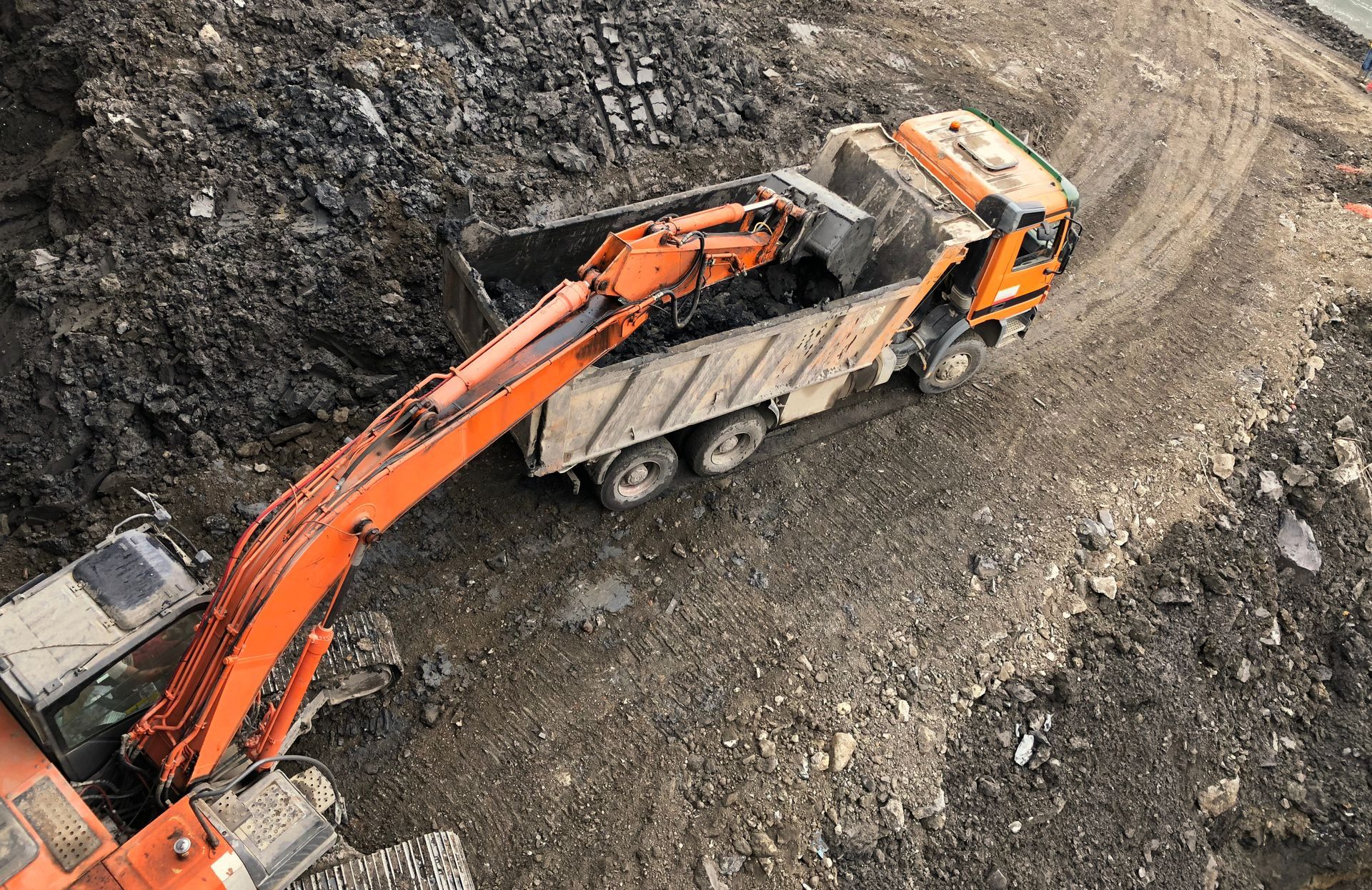
Industrial Plant Dismantling & Demolition Services
Maximize Asset Recovery and Property Value Through Professional Facility Decommissioning
Call 800-669-9552
U.S. Waste Industries, Inc.
Turnkey Plant Closure Services from Equipment Removal to Regulatory Closure
Complete facility decommissioning with hazardous waste removal, equipment asset recovery, structural demolition, and state environmental agency closure—protecting your property value and eliminating future liability.
Learn About Site Remediation
NATIONWIDE SERVICE • REAL PEOPLE 24/7 EMERGENCY RESPONSE • 25+ YEARS • ZERO VIOLATIONS • OSHA HAZWOPER-TRAINED • DOT APPROVED • $21M INSURED
What Is Industrial Plant Dismantling?
Industrial plant dismantling is the systematic decommissioning of manufacturing facilities including equipment removal, hazardous material abatement, utility disconnection, structural demolition, and site remediation. Plant closures occur when facilities become obsolete, operations relocate, companies merge, or economic conditions make continued operation unviable.
Proper plant dismantling maximizes equipment resale value offsetting project costs, ensures EPA and OSHA compliance throughout closure, protects you from environmental liability, and prepares sites for redevelopment or sale.
Projects involve removing process equipment and machinery, draining and cleaning chemical storage systems, abating asbestos and hazardous materials, demolishing buildings and structures, removing underground storage tanks, and obtaining regulatory closure approvals from state environmental agencies.
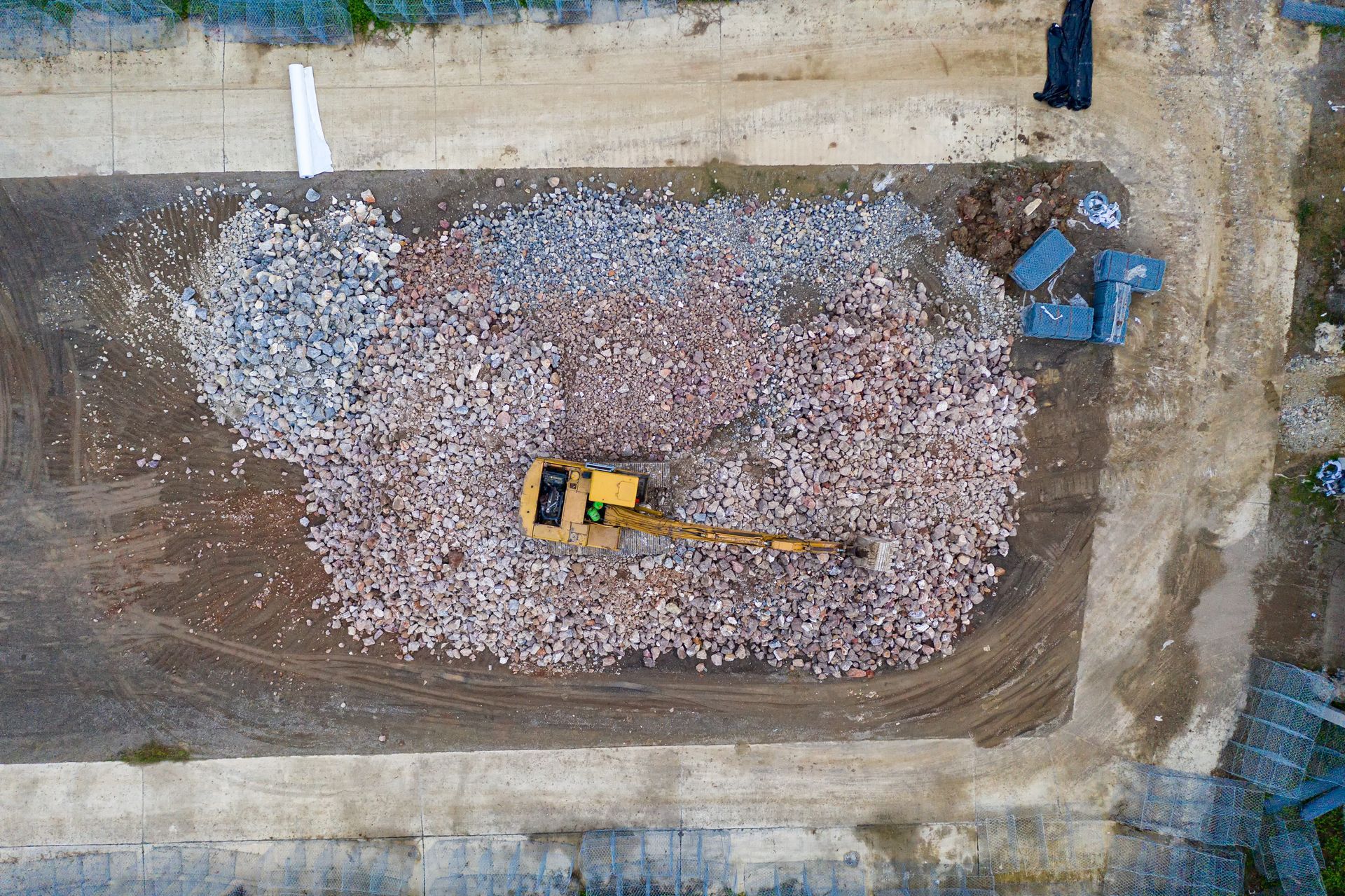
Professional plant dismantling contractors coordinate multiple specialized trades including hazmat abatement teams, equipment riggers, demolition contractors, environmental consultants, and scrap metal recyclers—providing single-vendor accountability for complex, multi-phase projects typically lasting 3-12 months depending on facility size and contamination extent.
Why Professional Plant Dismantling Is Essential
Understanding regulatory triggers helps you manage risk and avoid enforcement actions.
Immediate Action Required:
- EPA or State Enforcement Notice: Administrative orders requiring investigation or cleanup; potential civil penalties can exceed $80,000 per day depending on statute and adjustment
- Phase II Assessment Above Cleanup Standards: Laboratory results showing contamination exceeding state risk-based concentrations trigger mandatory remediation
- Property Sale Contract Requirements: Buyer Phase I assessment identifies contamination blocking closing or requiring escrow holds based on lender/buyer risk tolerance
- Lender Financing Denial: Banks require Phase I assessments; identified contamination prevents financing until remediation completed and closure letters obtained
- Worker Exposure Documentation: OSHA complaints or health department notifications regarding chemical exposure require immediate investigation and cleanup
- Off-Property Migration: Contamination affecting neighboring wells or surface water triggers third-party liability and regulatory intervention
Voluntary Action (Highly Recommended):
- Property Sale or Refinancing Planned: Begin remediation 12-24 months before transactions to avoid price reductions or deal delays depending on risk and cleanup scope
- Brownfield Redevelopment Opportunity: State voluntary cleanup programs offer liability protections and tax incentives for contaminated property redevelopment
- Legacy Contamination Discovery: Routine facility operations or upgrades revealing contamination should be addressed proactively before regulatory involvement
The regulatory path follows a predictable sequence: Discovery → Assessment → Approved Plan → Cleanup → Confirmation → Closure (NFA). Missing any stage creates delays, increases costs, and leaves liability unresolved.
Plant Dismantling Services
Equipment Removal and Asset Recovery
Systematic removal of process equipment, machinery, and materials for resale or recycling. Services include equipment inventory and valuation, rigging and dismantling by certified crews, cleaning and decontamination for resale, coordination with equipment brokers and scrap buyers, and documentation of removed assets.
High-value equipment (stainless steel vessels, specialty pumps, control systems) is carefully preserved. Structural steel, copper, and aluminum are segregated for maximum scrap value. Equipment sales offset project costs.
Hazardous Material Abatement
Complete removal of asbestos, lead paint, PCBs, and other regulated materials before demolition. Abatement includes:
- Asbestos removal: Insulation, fireproofing, floor tiles following EPA NESHAP 40 CFR Part 61, Subpart M
- Lead paint abatement: Structural steel and equipment surfaces
- PCB removal: Transformers, capacitors, fluorescent ballasts (TSCA-regulated)
- Mercury device removal: Thermostats, switches, lighting
- Disposal: All materials transported to EPA-approved facilities
All work follows EPA NESHAP and state asbestos regulations. Documentation includes air monitoring results, waste manifests, and disposal certificates required for property closure.
Chemical and Process System Draining
Safe removal of residual chemicals from tanks, vessels, piping, and process equipment. Draining procedures include chemical inventory and characterization, transfer to bulk storage or disposal containers, tank and vessel cleaning using vacuum trucks, piping system flushing and cleaning, and waste classification and disposal.
Residual chemicals often qualify as hazardous waste requiring RCRA manifesting. Complete draining prevents environmental releases during demolition and eliminates explosion hazards from flammable residues.
Underground Storage Tank Closure
Permanent closure of underground storage tanks (USTs) following state environmental regulations. Closure services include tank content removal and disposal, cleaning and degassing to eliminate flammable vapors, soil sampling for contamination assessment, tank removal or foam-in-place closure, contaminated soil remediation if necessary, and regulatory closure documentation submitted to state agencies.
UST closure is often required before property sale and may qualify for state petroleum cleanup fund reimbursement, where eligible, subject to program rules and caps.
Structural Demolition
Controlled demolition of buildings, structures, and foundations using excavators, wrecking balls, or explosive demolition, depending on site conditions and surrounding development. Demolition includes asbestos and lead abatement before demolition, utility disconnection (electric, gas, water, sewer), selective demolition to preserve salvageable materials, debris sorting and recycling, and final site grading.
Concrete and masonry are crushed for road base. Steel is recycled. All work follows OSHA demolition safety standards 29 CFR 1926 Subpart T, including engineering surveys for structural stability.
Site Remediation and Closure
Environmental cleanup ensuring properties meet state cleanup standards for unrestricted use or redevelopment.
Remediation includes soil sampling beneath former process areas and tanks, contaminated soil excavation and disposal, groundwater monitoring well installation if required, regulatory closure reporting to state environmental agencies, and No Further Action letters confirming cleanup completion.
Clean closure documentation is essential for property sale, financing approval, and liability protection.
Facilities We Dismantle & Contamination Types
Chemical Manufacturing Plants
Typical Challenges: Process equipment, storage tanks, reactors, piping systems containing chemical residues; extensive hazardous waste removal, equipment decontamination, soil sampling beneath process areas; EPA RCRA closure documentation required.
Petroleum Refineries and Terminals
Typical Challenges: Crude oil tanks, product storage, process units, pipeline systems; tank bottom sludge removal, equipment degassing, underground piping removal, soil remediation; state petroleum cleanup fund reimbursement may be available where eligible.
Metal Finishing and Plating Facilities
Typical Challenges: Plating tanks, treatment systems, wastewater lagoons with heavy metal contamination (chromium, cadmium, nickel); specialized hazardous waste handling, sludge disposal, extensive soil remediation beneath process areas.
Power Generation Facilities
Typical Challenges: Coal-fired, natural gas, biomass power plants; boiler removal, ash handling system cleanup, PCB transformer removal, fuel oil tank closure, asbestos abatement from insulation and fireproofing materials.
Pharmaceutical Manufacturing
Typical Challenges: Clean rooms, process equipment, solvent storage, waste treatment systems; pharmaceutical waste disposal, solvent recovery or disposal, equipment cleaning for resale, DEA-controlled substance documentation for APIs.
Pulp and Paper Mills
Typical Challenges: Digesters, chemical recovery systems, wastewater lagoons, storage tanks; black liquor removal, lime kiln cleaning, ash disposal, lagoon closure with sludge solidification.
Food Processing Plants
Typical Challenges: Process equipment, refrigeration systems, wastewater treatment; ammonia system removal, refrigerant recovery, sanitary cleaning for equipment resale, organic waste disposal, stainless steel equipment recovery.
Automotive Manufacturing
Typical Challenges: Paint booths, coating systems, parts washers, petroleum storage; solvent recovery, paint sludge disposal, UST closure, equipment resale coordination, scrap metal segregation.
Our Plant Dismantling Process
Step 1: Site Assessment and Planning
Comprehensive facility evaluation identifying equipment for removal/resale, hazardous materials requiring abatement, underground tanks and piping, soil and groundwater contamination risks, and structural demolition requirements. Assessment includes equipment inventory and valuation, hazardous material surveys (asbestos, lead, PCBs), chemical inventory and waste characterization, regulatory requirements review, and detailed project plan with timeline and budget.
Step 2: Permit Acquisition and Regulatory Notification
Obtaining required permits and notifying regulatory agencies: demolition permits from local building departments, asbestos removal notifications to EPA and state agencies (10-day advance notice required per 40 CFR 61.145), NESHAP notifications for regulated materials, and utility disconnection approvals. Permits ensure legal compliance and prevent work stoppages.
Step 3: Chemical Draining and Equipment Decontamination
Removing residual chemicals from tanks, vessels, and piping systems. Draining prevents environmental releases during equipment removal and demolition. Decontamination allows equipment resale or safe scrap recycling. All drained chemicals properly characterized and disposed following EPA hazardous waste regulations.
Step 4: Hazardous Material Abatement
Licensed removal of asbestos, lead paint, and PCBs before demolition. Asbestos abatement from pipe insulation, fireproofing, floor tiles, and roofing materials following EPA NESHAP 40 CFR Part 61, Subpart M work practices. Lead paint removal from structural steel and equipment. PCB removal from transformers and fluorescent light ballasts per TSCA 40 CFR Part 761. All materials disposed at approved facilities with waste manifests.
Step 5: Equipment Removal and Asset Recovery
Systematic dismantling and removal of process equipment, machinery, and materials. High-value equipment cleaned and sold to equipment brokers. Stainless steel, copper, aluminum segregated for premium scrap pricing. Structural steel recycled. Equipment sales and scrap proceeds offset project costs. All rigging and removal performed by certified crews following OSHA 29 CFR 1926 Subpart CC (Cranes and Derricks) safety standards.
Step 6: Structural Demolition
Controlled demolition of buildings and structures after equipment and hazmat removal. Demolition includes utility disconnection, selective demolition preserving salvageable materials, debris sorting and recycling, and foundation removal or capping. Concrete crushed for road base, steel recycled. Site graded to drainage specifications per OSHA 29 CFR 1926 Subpart T (Demolition).
Step 7: Site Remediation and Regulatory Closure
Final environmental cleanup including soil sampling beneath former process areas and storage tanks, contaminated soil excavation and disposal if necessary, underground tank closure with state approvals, and No Further Action letters from environmental agencies. Complete documentation protects you from future liability and enables property sale or redevelopment.
Emergency Plant Closure Response
Sudden facility closures, bankruptcy proceedings, or regulatory shutdown orders require immediate action to prevent liability escalation. If you're facing unplanned plant closure, court-ordered decommissioning, or buyer-mandated environmental cleanup, our rapid mobilization teams secure your facility, remove hazardous materials, and begin regulatory coordination within days.
24/7 Emergency Hotline: 800-727-9796 for immediate plant closure support.
Why Work With U.S. Waste Industries
Service-Driven: Complete Regulatory Compliance
Full EPA, OSHA, and state environmental compliance including RCRA hazardous waste manifests, asbestos NESHAP notifications (10-day advance, 40 CFR 61.145), UST closure approvals, and site remediation documentation. All required permits obtained, regulatory agencies coordinated with, and complete closure documentation provided protecting you from future liability. No Further Action letters confirm environmental compliance and enable property transactions. Strong compliance history across thousands of projects.
Client-Focused: Turnkey Project Management
Second-generation family-owned business with 30+ years in industrial services. Single-vendor accountability for all phases from initial assessment through final regulatory closure. Hazmat abatement contractors, equipment riggers, demolition crews, environmental consultants, scrap metal buyers, and regulatory agencies coordinated—eliminating your burden of managing multiple contractors. Dedicated project managers provide regular updates and ensure work proceeds on schedule and budget. Real people answer phones 7 AM-5 PM weekdays—no automated systems.
Guaranteed Compliance: Asset Recovery Maximization
Equipment valuation expertise and broker networks maximize resale value for process equipment, machinery, and scrap materials. High-value equipment worth preserving identified, equipment properly cleaned and documented for resale, specialized equipment brokers coordinated with, and scrap metals segregated for premium pricing. Asset recovery can significantly offset project costs depending on equipment type, condition, and market demand. $21 million pollution liability insurance protects operations.
REQUEST A QUOTE FOR Plant Dismantling SERVICES
Whether closing a chemical plant, refinery, manufacturing facility, or power generation site, U.S. Waste Industries provides complete dismantling services from initial assessment through regulatory closure.
What to include
Provide facility type and size, equipment types requiring removal, known hazardous materials (asbestos, chemicals, underground tanks), intended property use after closure (sale, redevelopment, hold), and project timeline or deadline constraints.
Plant Dismantling FAQs
How long does industrial plant dismantling take?
Dismantling timelines depend on facility size, contamination extent, and equipment complexity. Small facilities (under 50,000 sq ft) typically complete in 2-4 months. Medium plants (100,000-250,000 sq ft) require 4-8 months. Large chemical or petroleum facilities can take 12-24 months including remediation and regulatory closure. Timeline includes: Hazmat surveys (2-4 weeks), permit acquisition (4-8 weeks), equipment removal (1-3 months), demolition (1-2 months), regulatory closure (2-6 months).
What happens to equipment removed from closed plants?
High-value equipment is cleaned, documented, and sold to equipment brokers or directly to other facilities. Stainless steel tanks, specialty pumps, heat exchangers, and control systems often retain significant resale value. Equipment unsuitable for resale is segregated as scrap metal (steel, copper, aluminum, stainless) and sold to recyclers. Scrap proceeds offset dismantling costs. Contaminated equipment requiring disposal is properly characterized and sent to hazardous waste facilities.
Do I need environmental testing before plant closure?
Yes. Comprehensive testing identifies contamination requiring cleanup before property sale. Testing includes asbestos and lead paint surveys, soil sampling beneath process areas and storage tanks, groundwater monitoring wells if contamination suspected, and waste characterization for chemical residues. Testing results guide remediation planning, satisfy regulatory requirements, and protect buyers from unknown liabilities. Lenders require Phase I and Phase II environmental assessments before financing property purchases.
What is a No Further Action letter?
A No Further Action (NFA) letter is state environmental agency confirmation that site remediation is complete and meets cleanup standards. NFA letters release properties from regulatory oversight, document regulatory closure and limit future environmental liability under applicable programs, satisfy lender requirements for property financing, and are essential for property sales. Obtaining NFA letters requires complete remediation documentation including soil sampling results, waste disposal manifests, and final closure reports.
Can I use basic demolition contractors instead?
Basic demolition contractors lack expertise for industrial facilities with hazardous materials, chemical residues, and environmental contamination. They typically lack licensing and expertise for asbestos abatement, hazardous waste handling, asset recovery, and regulatory closure coordination required at industrial facilities. Using unqualified contractors creates environmental liability, destroys equipment value, and prevents property sale due to unknown contamination. Professional plant dismantling contractors provide turnkey management ensuring compliance, maximizing asset recovery, and protecting you from future liability.
What regulations govern industrial plant dismantling?
Plant dismantling is regulated by EPA RCRA (hazardous waste removal and disposal), EPA NESHAP 40 CFR Part 61 Subpart M (asbestos notifications and work practices), EPA TSCA 40 CFR Part 761 (PCB handling and disposal), OSHA 29 CFR 1926 Subpart T (demolition safety), OSHA 29 CFR 1910.146 (confined space entry for tank cleaning), state environmental agency requirements (UST closure, soil remediation), and local building departments (demolition permits). Professional plant dismantling ensures full compliance with all applicable regulations.
Related Services TO Plant Dismantling
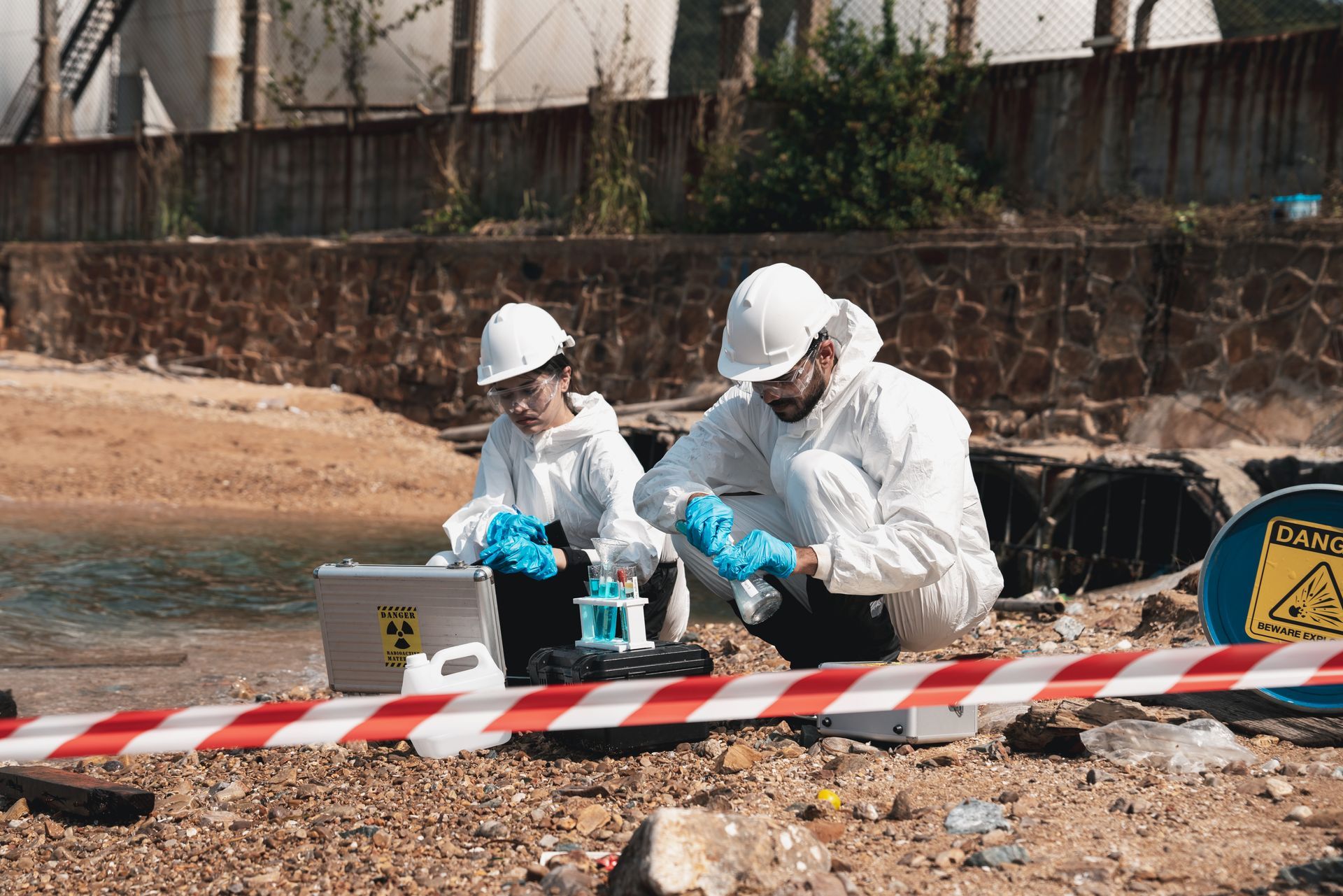
Hazardous Waste Disposal
Plant dismantling generates extensive hazardous waste—chemical residues, contaminated equipment, asbestos materials, lead paint debris, PCB-containing transformers, and petroleum sludge.
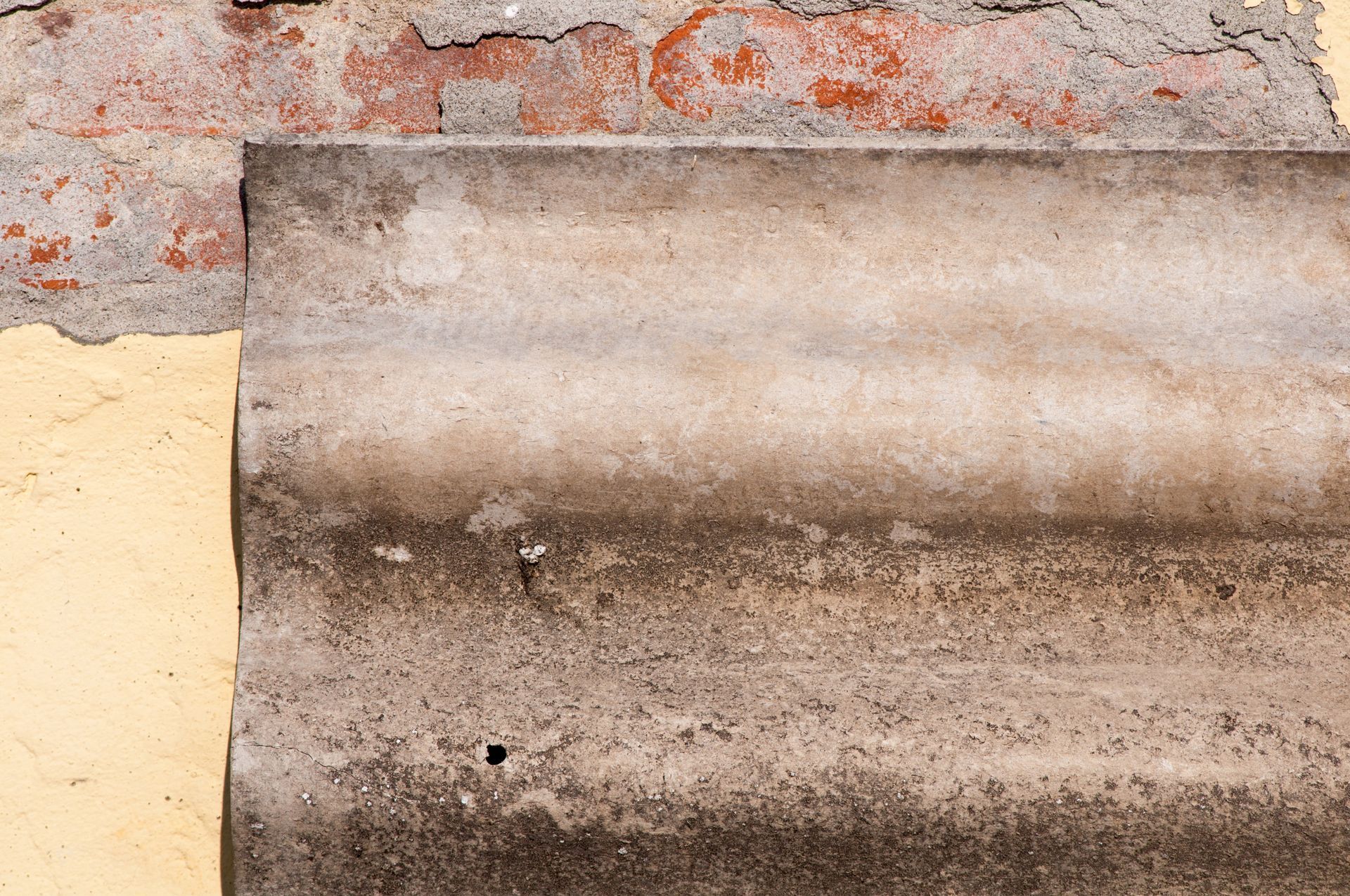
Asbestos Removal Services
Large-scale asbestos abatement in manufacturing facilities requires licensed contractors with air monitoring, containment systems, and disposal coordination.
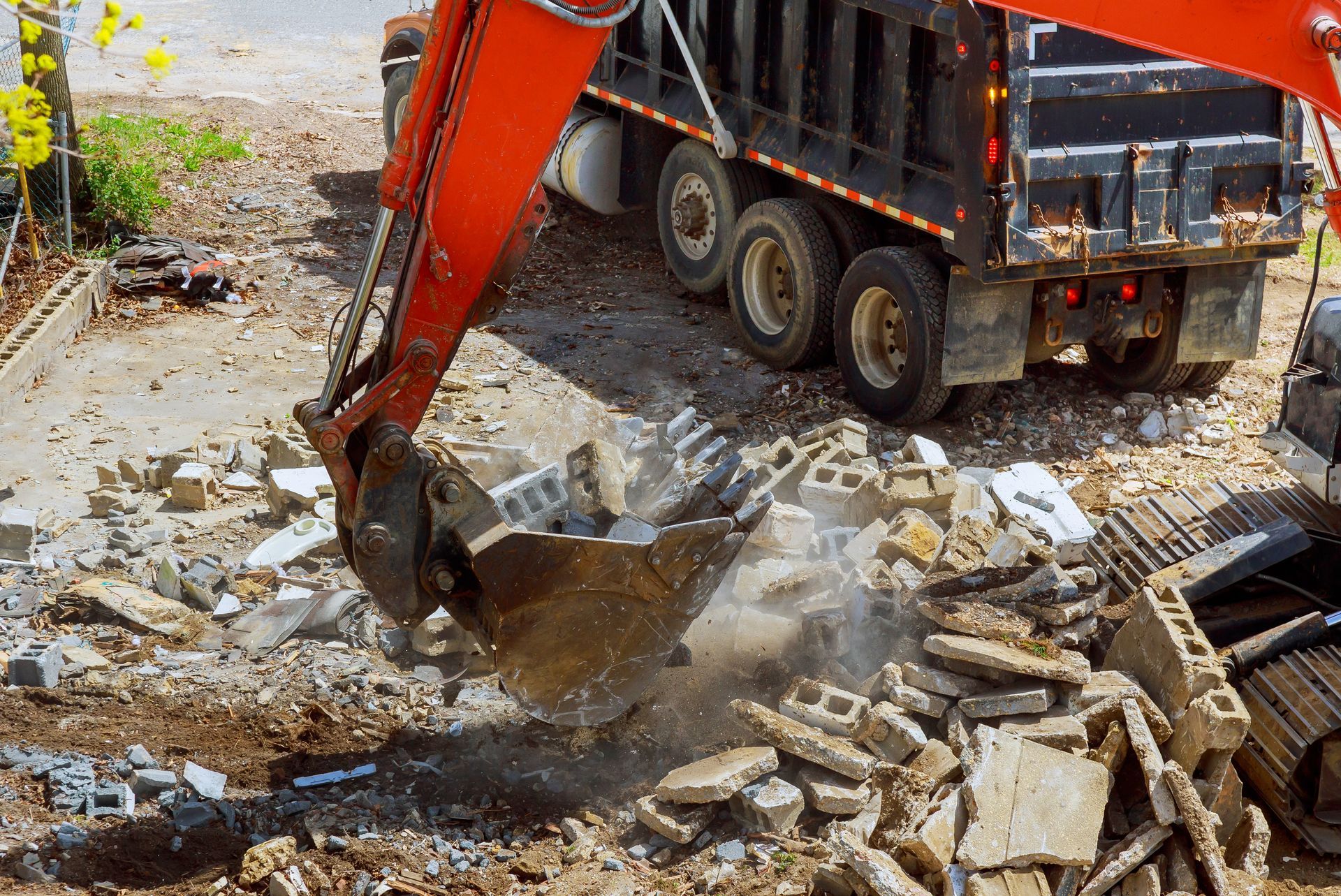
Site Remediation Services
Contaminated soil and groundwater beneath former process areas, storage tanks, and wastewater systems require environmental remediation beyond building demolition.
Tank Cleaning & Removal
Process tanks, storage vessels, and underground storage tanks require cleaning and closure before demolition.
Hazardous Waste Disposal
Plant dismantling generates extensive hazardous waste—chemical residues, contaminated equipment, asbestos materials, lead paint debris, PCB-containing transformers, and petroleum sludge.
Asbestos Removal Services
Large-scale asbestos abatement in manufacturing facilities requires licensed contractors with air monitoring, containment systems, and disposal coordination.