NATIONWIDE SERVICES
HAZMAT Services
Hazardous Material Transportation, Chemical Analysis, and Radioactive Waste Disposal
Call 800-669-9552
U.S. Waste Industries, Inc.
DOT-Certified HAZMAT Transportation and EPA-Compliant Disposal
Complete hazardous material services with unknown chemical identification, radioactive waste handling, DOT-compliant packaging and transportation, and laboratory analysis—protecting your workers and eliminating regulatory liability.
Learn About HAZMAT Services
NATIONWIDE SERVICE • REAL PEOPLE 24/7 EMERGENCY RESPONSE • 25+ YEARS • ZERO VIOLATIONS • OSHA HAZWOPER-TRAINED • DOT APPROVED • $21M INSURED
What Are HAZMAT Services?
HAZMAT (hazardous materials) services encompass the identification, characterization, packaging, transportation, and disposal of substances posing risks to health, safety, property, or the environment. Regulated under DOT 49 CFR for transportation and EPA RCRA for waste management, HAZMAT includes toxic chemicals (pesticides, cyanides, heavy metals causing poisoning or organ damage), corrosive materials (acids and bases with pH <2 or >12.5 corroding skin and equipment), flammable substances (liquids with flash points below 140°F, compressed gases), reactive materials (water-reactive, explosive, or spontaneously combustible substances), radioactive materials (medical isotopes, research materials, industrial gauges), and regulated contaminants (PCBs, lead-based paint, asbestos).
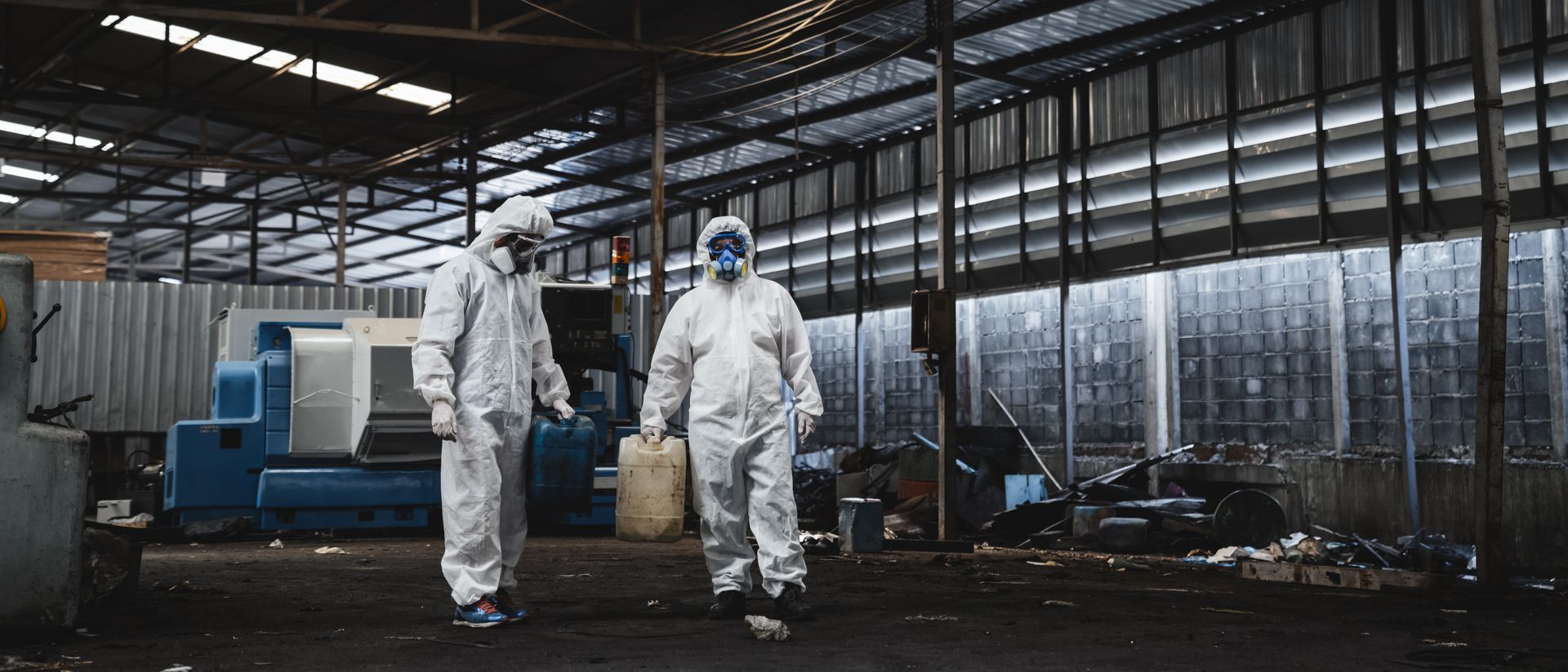
Professional HAZMAT services are required because improper handling causes worker injuries from chemical exposure, burns, or toxic inhalation, environmental releases contaminating soil and groundwater, transportation accidents creating public safety emergencies, and civil and criminal penalties that can be substantial and may accrue daily depending on statute and inflation adjustments.
Industries generating HAZMAT include manufacturing, pharmaceuticals, laboratories, construction, automotive, electronics, and energy production.
Why Professional HAZMAT Services Are Essential
DOT Transportation Compliance Prevents Catastrophic Liability
DOT 49 CFR Part 172 (Hazardous Materials Table and Communications) requires specific training, packaging, labeling, placarding, and documentation for hazardous material transportation. Violations cause transportation accidents from improper packaging or incompatible materials mixing, significant civil penalties and potential criminal liability under DOT hazmat regulations, criminal prosecution for willful violations causing injuries or deaths, and carrier refusal to transport improperly packaged materials.
Professional HAZMAT contractors employ DOT-certified drivers who complete required hazmat endorsement training every 3 years per 49 CFR Part 172 Subpart H, use UN-approved packaging meeting drop, stack, and leak testing standards, apply proper hazard class labels and placarding, and prepare shipping papers listing UN numbers, proper shipping names, hazard classes, and emergency contact information. This expertise prevents transportation incidents and regulatory violations.
Chemical Identification Prevents Dangerous Reactions
Unknown or unlabeled chemicals require laboratory analysis before handling, packaging, or disposal. Mixing incompatible materials causes violent reactions including acids + bases creating exothermic reactions, heat generation, and splattering, oxidizers + flammables causing fires, explosions, and intense combustion, water-reactives + moisture producing violent reactions and hydrogen gas explosions (sodium, potassium), and cyanides + acids releasing hydrogen cyanide gas with fatal toxicity.
Professional HAZMAT contractors perform field testing (pH strips, flammability screening) and comprehensive laboratory analysis (TCLP, ignitability, reactivity, corrosivity) identifying materials before packaging. Proper segregation prevents catastrophic mixing incidents.
Radioactive Material Handling Requires NRC Licensing
Radioactive waste disposal is regulated by NRC (Nuclear Regulatory Commission) under 10 CFR Parts 20, 61, 71 and requires specialized licenses, training, and facilities. Low-level radioactive waste (LLRW) from medical, research, and industrial sources requires Class A, B, or C classification determining disposal requirements.
Professional HAZMAT contractors work under appropriate NRC or Agreement State licenses and authorizations, depending on jurisdiction and material type. They employ radiation safety officers, use proper shielding and containment, and maintain disposal site authorizations. Unlicensed handling violates federal law with criminal penalties.
Complete Documentation Protects Against Future Liability
EPA's "cradle-to-grave" tracking under RCRA (40 CFR Parts 260-279) means generators retain responsibility for proper hazardous waste management and documentation, and liability may persist if waste is mishandled. Without proper manifests and disposal certificates, you face liability if waste is mishandled or illegally disposed by contractors.
Professional HAZMAT services provide EPA manifests tracking waste from generation to final disposal, waste profiles documenting chemical composition and hazard characteristics, certificates of disposal from permitted TSDFs, and analytical laboratory reports proving proper waste classification. This documentation protects you during EPA inspections, third-party audits, and property transactions requiring environmental due diligence.
Hazardous Materials We Handle
Corrosive Materials
Acids (sulfuric, hydrochloric, nitric, phosphoric) and bases (sodium hydroxide, potassium hydroxide, ammonia) with pH below 2 or above 12.5. Corrode skin, metal, and equipment. Require acid-resistant packaging and segregation. EPA waste code D002. Used in metal processing, cleaning, pH adjustment, and chemical manufacturing.
Flammable Liquids and Gases
Solvents, fuels, and chemicals with flash points below 140°F including acetone, toluene, xylene, methanol, gasoline, diesel, paint thinners, and alcohols. Also compressed flammable gases (propane, acetylene, hydrogen). Require grounded containers, explosion-proof equipment, and no ignition sources. EPA waste code D001. DOT Class 3 (flammable liquids) and Class 2.1 (flammable gases). Common in manufacturing, automotive, printing, and laboratories.
Reactive and Explosive Materials
Water-reactive materials (sodium, potassium, calcium carbide), oxidizers (peroxides, permanganates, nitrates), organic peroxides, and explosive compounds. Can spontaneously combust, explode, or release toxic gases. Require specialized packaging, temperature control, and immediate disposal. EPA waste code D003. DOT Class 4 (flammable solids/water-reactives), Class 5 (oxidizers). Found in laboratories, manufacturing, and outdated chemical inventories.
Toxic Chemicals
Pesticides, herbicides, fungicides, cyanides, heavy metals (mercury, lead, cadmium, chromium, arsenic), and carcinogenic compounds. Cause poisoning, organ damage, or cancer from inhalation, ingestion, or skin contact. Require TCLP testing (EPA Method 1311) to determine toxicity characteristic. EPA waste codes D004-D043 (specific toxics). Used in agriculture, pest control, metal finishing, and electronics manufacturing.
PCB-Contaminated Materials
Polychlorinated biphenyls (PCBs) from transformers, capacitors, fluorescent light ballasts, and hydraulic fluids. Regulated under TSCA 40 CFR Part 761 requiring disposal at EPA-approved high-temperature incinerators. Concentrations above 50 ppm require special handling. PCB spills may require cleanup and notification depending on concentration, quantity, and location under TSCA requirements. Found in older electrical equipment and building materials.
Lead-Based Paint
Paint containing lead (common in structures built before 1978) creating dust during demolition or renovation. Regulated under EPA RRP Rule 40 CFR Part 745 requiring certified renovators and containment. Lead paint waste may require toxicity testing and hazardous waste management depending on TCLP results and state rules. Exposure causes neurological damage especially in children. Found on structural steel, equipment, and building surfaces.
Radioactive Material Removal Services
Radioactive waste requires specialized handling under NRC (Nuclear Regulatory Commission) regulations 10 CFR Parts 20, 61, 71. Licensed radioactive material transportation and disposal provided for medical, research, and industrial low-level radioactive waste streams accepted by licensed facilities.
Low-Level Radioactive Waste (LLRW)
Class A, B, and C radioactive waste from medical treatments, research laboratories, and industrial processes. Includes contaminated PPE, glassware, filters, and process materials. Disposal at NRC-licensed facilities (10 CFR Part 61) requires waste classification based on radionuclide content and half-life.
Most common radioactive waste stream accounting for 90% of volume but only 1% of radioactivity. Requires radiation surveys, proper shielding during transport, and DOT Class 7 placarding per 49 CFR Part 172.403.
Radioactive Contaminated Materials
Equipment, soil, building materials, and surfaces contaminated with radioactive materials. Requires radiation surveys per 10 CFR Part 20.1501 to determine contamination levels and proper disposal classification. Decontamination may reduce waste volume and disposal costs.
Common sources: Medical equipment (gamma knives, brachytherapy devices), industrial gauges and sensors, research equipment, demolition debris from nuclear facilities. Disposal determined by contamination level and radionuclide type.
Note: High-level radioactive waste and transuranic waste are managed exclusively by federal programs and are not part of commercial HAZMAT disposal services.
Chemical Analysis Services
Laboratory services provided through appropriately certified and state-recognized laboratories offering comprehensive chemical testing for waste characterization, environmental compliance, and product quality control. Accurate analysis ensures proper waste classification, regulatory compliance, and safe disposal.
TCLP Testing (Toxicity Characteristic Leaching Procedure)
EPA Method 1311 determining if waste exhibits toxicity characteristic requiring hazardous waste disposal. Simulates landfill leaching conditions measuring heavy metals (arsenic, barium, cadmium, chromium, lead, mercury, selenium, silver) and organic compounds.
Results determine if waste exceeds 40 CFR Part 261.24 regulatory limits requiring RCRA manifesting and disposal at permitted TSDF. Essential for waste profiling and disposal facility approval. Turnaround typically 5-10 business days.
pH Testing and Corrosivity Analysis
Measuring acidity or alkalinity to determine corrosive waste classification under EPA standards. Materials with pH ≤2 or ≥12.5 are hazardous corrosive waste (D002) requiring special packaging and disposal.
Field pH screening provides immediate results. Laboratory pH analysis confirms regulatory classification. Critical for acids, bases, industrial cleaners, and chemical process waste. Results determine packaging requirements and disposal methods.
Ignitability and Flammability Testing
Flash point testing determining if waste is ignitable hazardous waste (D001) with flash point below 140°F (60°C). Identifies flammable liquids requiring DOT Class 3 packaging and placarding.
Prevents transportation fires and explosions. Testing methods include Pensky-Martens closed cup and Setaflash procedures. Required for solvents, paint waste, thinners, alcohols, and petroleum products. Results determine DOT shipping classifications and storage requirements.
Waste Identification and Classification
Comprehensive analysis identifying unknown chemicals and determining proper EPA waste codes. Combines visual observation, physical testing (density, viscosity), chemical analysis (GC/MS, ICP), and hazard screening.
Provides complete waste profiles required by TSDFs for disposal approval. Essential for abandoned drums, unlabeled containers, and legacy chemical inventories. Results include EPA waste codes, DOT shipping classifications, and disposal recommendations.
Environmental Compliance Testing
Analytical services supporting regulatory compliance including wastewater discharge monitoring for NPDES permits, air emissions testing for VOCs and HAPs, soil contamination assessment for remediation projects, and groundwater monitoring well sampling.
Ensures businesses meet EPA, state, and local environmental regulations. Laboratory reports provide legally defensible data for regulatory submittals and permit renewals.
Industries THAT GENERATE HAZMAT
Manufacturing & Chemical Processing
Typical HAZMAT: Solvents, acids, bases, heavy metals, reactive chemicals; process residues, tank bottoms, off-spec products; corrosive equipment, contaminated packaging; spent catalysts containing metals.
Pharmaceutical & Biotechnology
Typical HAZMAT: Active pharmaceutical ingredients (APIs), solvents (methanol, acetone), heavy metals (platinum catalysts), biological waste; expired pharmaceuticals, formulation failures; DEA-controlled substances requiring documentation.
Research Laboratories & Universities
Typical HAZMAT: Unknown chemicals from decades of research, expired reagents, radioactive isotopes; acids, bases, solvents; carcinogens (benzene, formaldehyde); shock-sensitive peroxides; mercury thermometers and equipment.
Healthcare & Medical Facilities
Typical HAZMAT: Radioactive materials from nuclear medicine (technetium-99m, iodine-131), chemotherapy drugs, mercury devices; pharmaceutical waste; formaldehyde, xylene from pathology labs; lead aprons and shielding.
Automotive & Aerospace
Typical HAZMAT: Paint sludge, solvents, degreasers; hydraulic fluids, fuel, used oil; brake fluid, antifreeze; lead-acid batteries; corrosive cleaning agents; PCB-containing transformers.
Electronics Manufacturing
Typical HAZMAT: Heavy metals (lead, cadmium, mercury) from circuit boards; solvents (isopropyl alcohol, acetone); etching acids; plating solutions containing chromium, nickel; e-waste with hazardous components.
Power Generation & Utilities
Typical HAZMAT: PCB transformers and capacitors, radioactive gauges and sources; fuel oil, diesel; corrosion inhibitors; wastewater treatment chemicals; coal ash containing heavy metals; lead-based paint on structures.
Construction & Demolition
Typical HAZMAT: Asbestos-containing materials (insulation, floor tiles, roofing); lead-based paint; PCB caulk and ballasts; mercury switches; petroleum-contaminated soil; unknown drums discovered during demolition.
Emergency HAZMAT Response
Chemical spills, transportation accidents, unknown material discoveries, or facility emergencies require immediate HAZMAT containment to prevent worker exposure and environmental releases. If you're facing urgent HAZMAT incidents—spills, leaks, unknown chemical discoveries, or transportation accidents—our 24/7 HAZWOPER-trained emergency crews mobilize nationwide with containment equipment, air monitoring, and emergency packaging.
24/7 Emergency Hotline: 800-727-9796 for immediate HAZMAT response.
Why Work With U.S. Waste Industries
Service-Driven: DOT-Certified Transportation & NRC Licensing
All drivers hold current commercial driver's licenses with hazardous materials endorsements (49 CFR Part 172 Subpart H) requiring training every 3 years. Fleet uses DOT-approved packaging, proper placarding, and emergency response equipment. Shipping papers include UN numbers, proper shipping names, hazard classes, and 24-hour emergency contacts. Work performed under appropriate NRC or Agreement State licenses and authorizations for radioactive material transportation. Radiation safety program includes certified radiation safety officers, dosimetry monitoring, proper shielding, and disposal site authorizations at NRC-licensed facilities. This expertise ensures safe transportation and regulatory compliance preventing DOT violations and enforcement actions.
Client-Focused: Laboratory Services & Rapid Turnaround
Second-generation family-owned business with 30+ years in industrial services. Laboratory services provided through appropriately certified and state-recognized laboratories for waste characterization and compliance testing. TCLP, pH, ignitability, reactivity, and metals analysis performed using EPA-approved methods. Fast turnaround times (typically 5-10 business days) prevent project delays. Laboratory reports provide legally defensible data satisfying TSDF waste acceptance requirements and regulatory agency submittals. Real people answer phones 7 AM-5 PM weekdays—no automated systems.
Guaranteed Compliance: Extensive HAZMAT Expertise
Extensive experience handling complex HAZMAT projects including unknown chemical identification and disposal, radioactive waste from medical and research facilities, plant decommissioning with PCB and asbestos removal, emergency response for chemical spills and releases, and analytical testing for waste characterization. HAZWOPER-trained specialists safely manage materials other contractors refuse. Complete documentation including manifests, lab reports, and disposal certificates protects you from future liability and satisfies regulatory requirements. $21 million pollution liability insurance protects operations. 25+ years of experience supporting compliant hazardous material management.
REQUEST A QUOTE FOR HAZMAT SERVICES
Whether managing unknown chemicals, radioactive materials, plant decommissioning, or emergency spill response, U.S. Waste Industries provides complete HAZMAT services with full DOT and EPA compliance.
What to include
Provide material type (chemicals, radioactive, PCBs, asbestos), known or suspected hazards, quantities and container types, current location and storage conditions, and project timeline or urgency.
HAZMAT Services FAQs
What is HAZMAT and why does it require special handling?
HAZMAT (hazardous materials) are substances posing risks to health, safety, property, or the environment including toxic chemicals, corrosive acids and bases, flammable liquids and gases, reactive materials, radioactive substances, and materials contaminated with PCBs or lead. Special handling is required because improper management causes worker injuries, environmental contamination, transportation accidents, and civil and criminal penalties that can be substantial and may accrue daily depending on statute and inflation adjustments. Professional HAZMAT services ensure DOT 49 CFR-compliant transportation, proper waste characterization, and EPA-approved disposal protecting workers, communities, and property owners from catastrophic liability.
How do you identify unknown chemicals?
Unknown chemical identification combines field screening and comprehensive laboratory analysis. Field tests include pH strips for acidity/alkalinity, flammability testing, and visual observation of physical properties. Laboratory analysis uses GC/MS (gas chromatography-mass spectrometry) identifying organic compounds, ICP (inductively coupled plasma) measuring metals concentrations, TCLP testing for toxicity per EPA Method 1311, and specialized methods for specific compounds. Results provide complete chemical composition, EPA hazard classifications, DOT shipping requirements, and disposal recommendations. Typical turnaround 5-10 business days. Essential for abandoned drums, unlabeled containers, and legacy chemical inventories.
Can you dispose of radioactive materials?
Yes. Services provided under appropriate NRC or Agreement State licenses for low-level radioactive waste (LLRW) transportation and disposal per 10 CFR Parts 20, 61, 71. Medical isotopes, research materials, industrial gauges, contaminated equipment, and sealed sources from hospitals, universities, and industrial facilities handled for accepted low-level radioactive waste streams. Services include radiation surveys and waste classification, proper shielding and packaging meeting DOT/NRC requirements, licensed transportation with DOT Class 7 placarding, and disposal at NRC-approved facilities with certificates. Radiation safety program includes certified RSOs, dosimetry monitoring, and strict protocols preventing worker exposure. High-level waste or spent nuclear fuel not handled.
What is TCLP testing and why is it required?
TCLP (Toxicity Characteristic Leaching Procedure) is EPA Method 1311 testing if waste exhibits toxicity characteristic requiring hazardous waste disposal. Test simulates landfill leaching conditions measuring whether heavy metals (arsenic, barium, cadmium, chromium, lead, mercury, selenium, silver) or organic compounds leach above 40 CFR Part 261.24 regulatory limits. Waste exceeding TCLP limits must be managed as RCRA hazardous waste with manifests and disposal at permitted TSDFs. Testing required for waste profiling and TSDF acceptance. Prevents toxic materials leaching from landfills into groundwater. Results legally defensible for regulatory compliance and liability protection.
Do you provide emergency HAZMAT response?
Yes. 24/7 emergency response teams mobilize immediately for HAZMAT incidents including chemical spills and releases, unknown material discoveries, transportation accidents, and facility emergencies. HAZWOPER-trained crews (29 CFR 1910.120) arrive with containment equipment, PPE, air monitoring instruments, and emergency packaging. Services include spill containment and cleanup, atmospheric monitoring and ventilation, material identification and stabilization, required regulatory notifications to the appropriate federal, state, or local authorities based on the incident and material, and complete waste removal and disposal. Call emergency hotline 800-727-9796 for immediate assistance preventing incidents from escalating.
What regulations govern HAZMAT services?
HAZMAT services are regulated by DOT 49 CFR Parts 171-180 (transportation including packaging, labeling, placarding, driver training), EPA RCRA 40 CFR Parts 260-279 (hazardous waste management and disposal), NRC 10 CFR Parts 20, 61, 71 (radioactive material handling and transportation), EPA TSCA 40 CFR Part 761 (PCB disposal), OSHA 29 CFR 1910.120 (HAZWOPER worker protection), and state environmental agencies (waste disposal approvals, UST closure, laboratory certifications). Professional HAZMAT services ensure full compliance with all applicable regulations and provide complete documentation protecting you from violations and future liability.
Related Services to HAZMAT Management
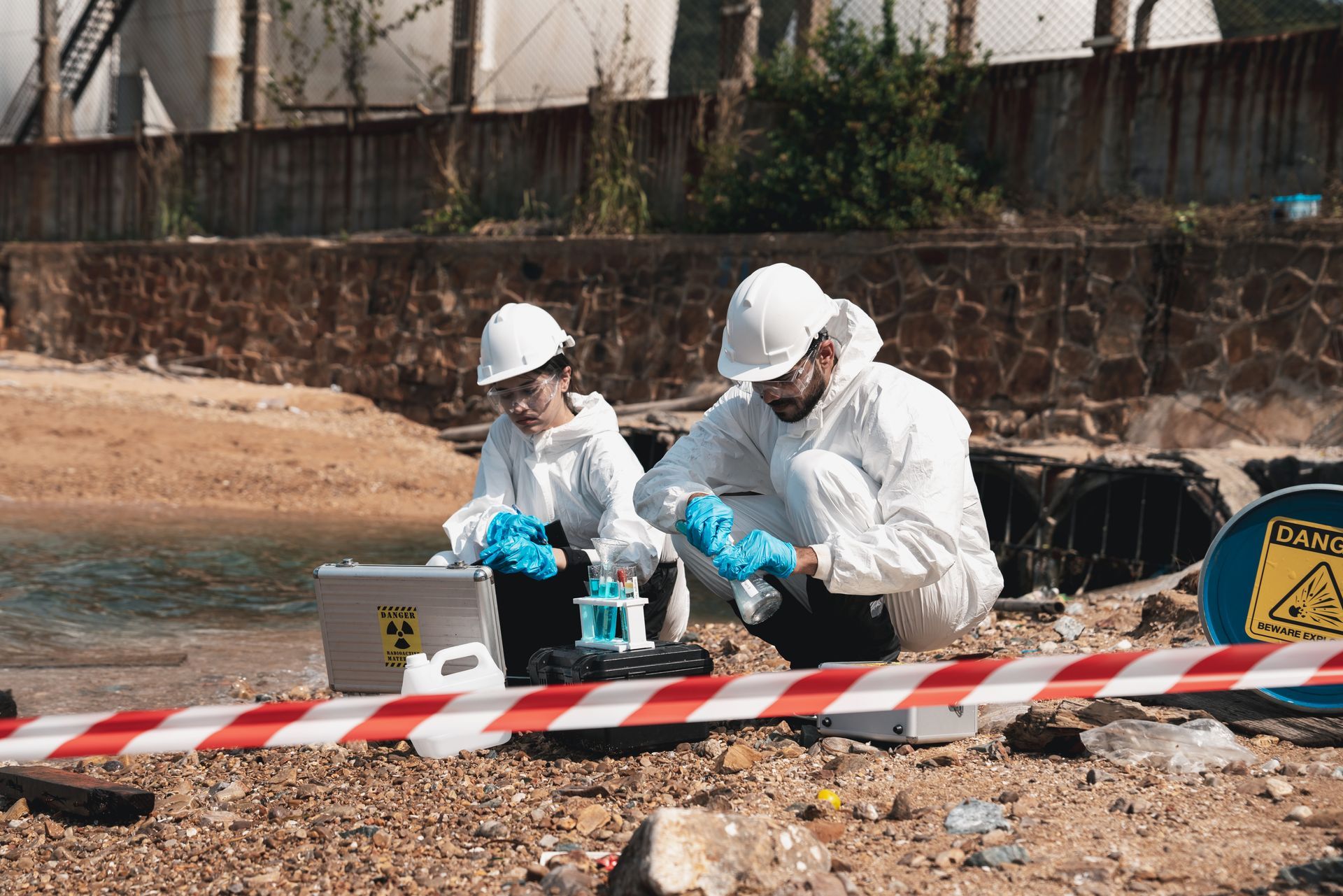
Hazardous Waste Disposal
Site remediation generates hazardous waste, including contaminated soil, asbestos materials, lead paint debris, and PCB-containing equipment.
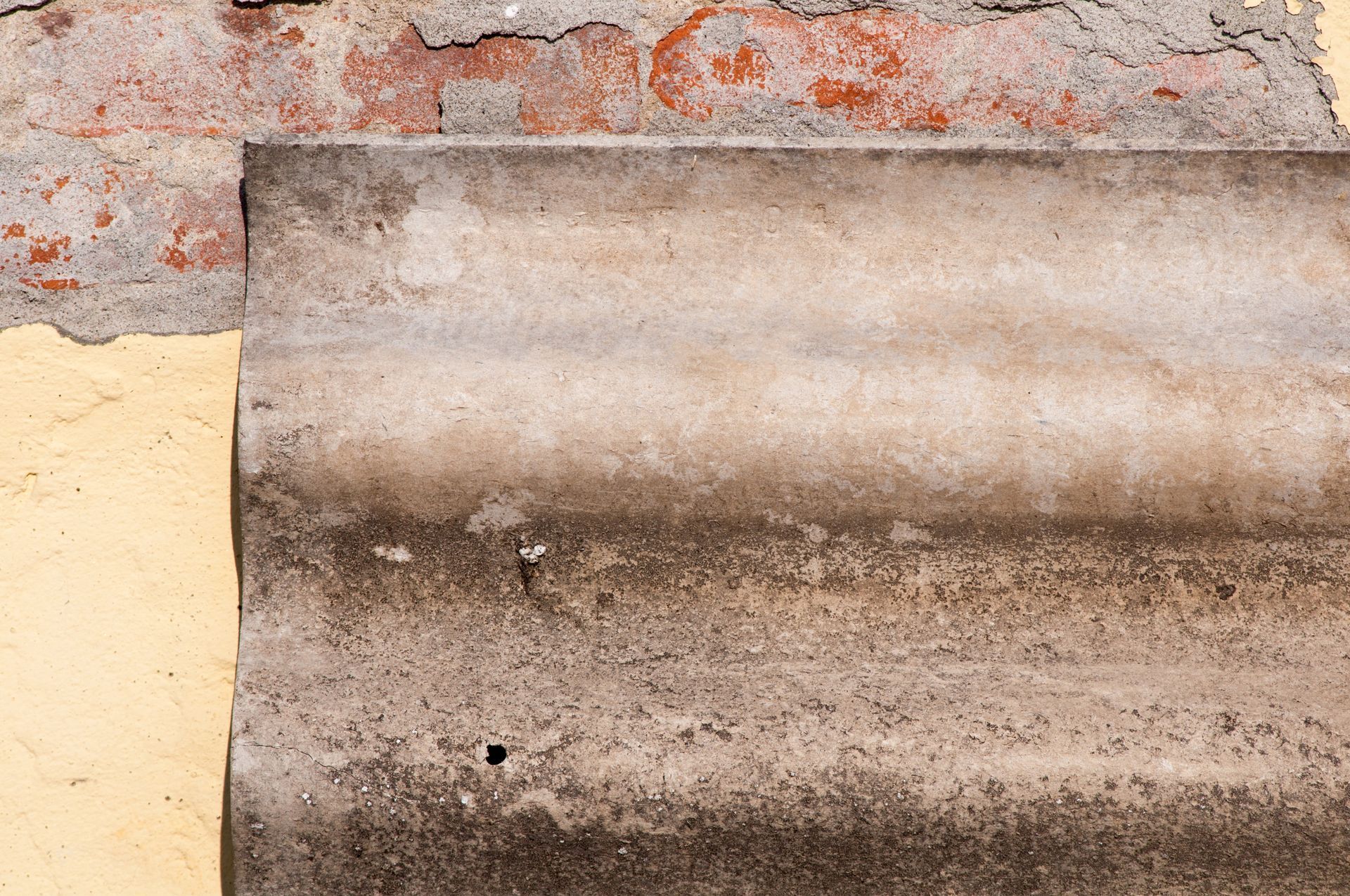
Asbestos Removal Services
Contaminated buildings often contain asbestos insulation, floor tiles, and fireproofing requiring licensed abatement before demolition.
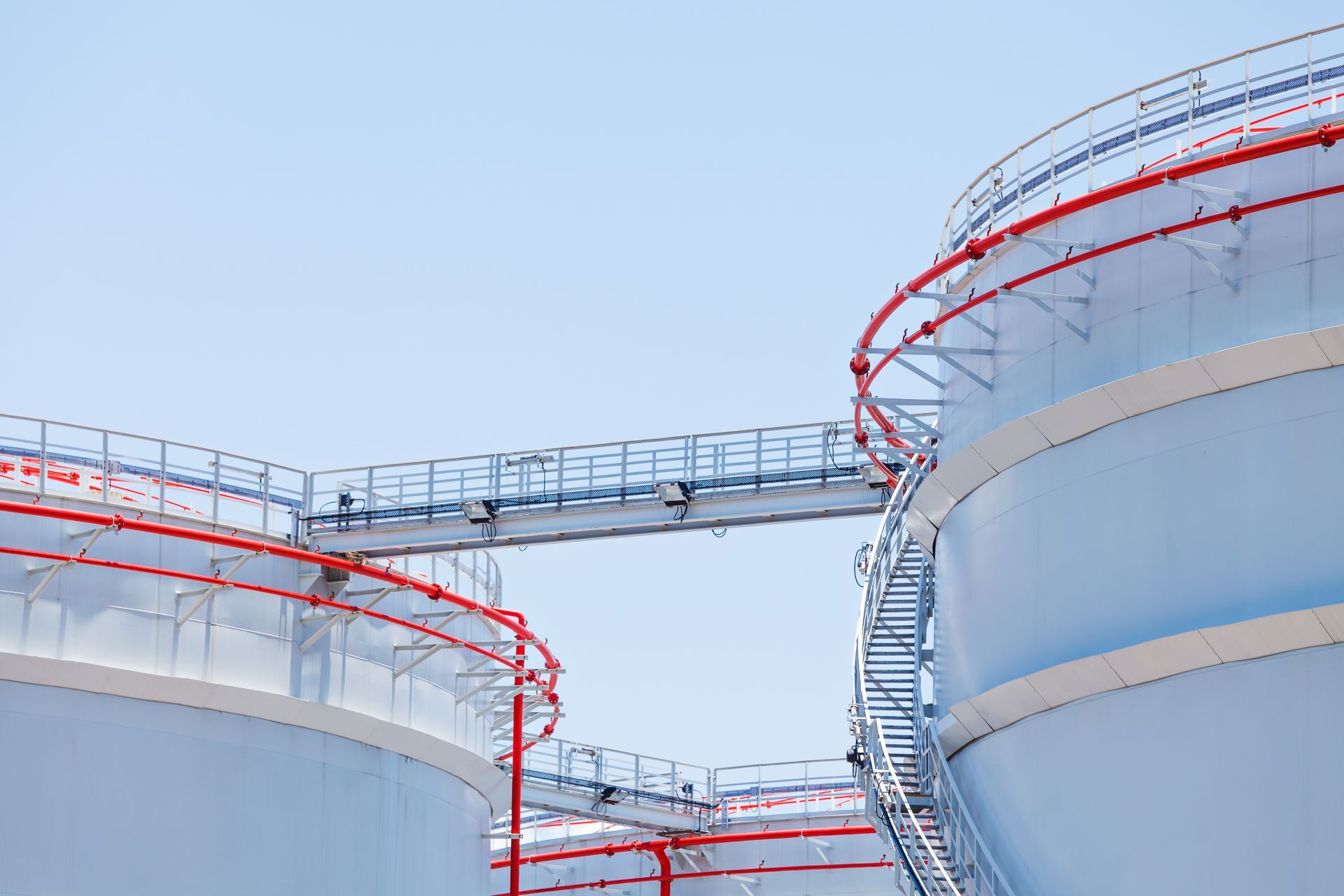
Tank Cleaning & Removal
Underground storage tank removal is a common remediation component requiring tank cleaning, closure sampling, and disposal.
Hazardous Waste Disposal
Site remediation generates hazardous waste, including contaminated soil, asbestos materials, lead paint debris, and PCB-containing equipment.
Asbestos Removal Services
Contaminated buildings often contain asbestos insulation, floor tiles, and fireproofing requiring licensed abatement before demolition.