U.S. Waste Industries is a full-service environmental contractor specializing in hazardous and non-hazardous waste management, industrial cleaning, remediation, and emergency response. We serve manufacturing facilities, chemical plants, utilities, and industrial operations nationwide—providing the compliance expertise, logistics capabilities, and personal accountability that risk-averse facility managers demand.
Founded in 2001 and built on over 35 years of environmental services experience across three generations of family ownership, we combine the resources of a national provider with the responsiveness and direct accountability of a family-run business.
NATIONWIDE SERVICE • REAL PEOPLE 24/7 EMERGENCY RESPONSE • 25+ YEARS • ZERO VIOLATIONS • OSHA HAZWOPER-TRAINED • DOT APPROVED • $21M INSURED
Why Clients Choose U.S. Waste Industries
Real People, 24/7
No automated phone systems. No call center runaround. When you call U.S. Waste Industries, you speak directly with an expert who can make decisions, answer technical questions, and dispatch crews immediately. Our consultants are available around the clock for emergencies and urgent projects.
Single-Vendor Solution
Most industrial facilities juggle multiple contractors—one for hazmat transport, another for disposal, a third for tank cleaning, and a broker coordinating it all. We eliminate that complexity. U.S. Waste Industries handles identification, transportation, treatment, disposal, and documentation under one contract. One point of contact. One invoice. One accountable partner.
Logistics Expertise
Waste management isn't just about disposal—it's about moving materials safely, efficiently, and in full regulatory compliance. Our team manages transportation logistics nationwide, coordinating DOT-compliant shipping, TSDF relationships, and optimized routing to keep your projects on schedule and your costs predictable.
Compliance You Can Count On
Over 25 years and thousands of successful projects, we've maintained a zero-violation compliance record. Every job includes full EPA manifests, Certificates of Disposal, and audit-ready documentation. Our field personnel are OSHA HAZWOPER certified, DOT hazmat trained, and experienced in confined space entry, emergency response, and multi-hazard environments.
Family-Run Accountability
We're not a faceless corporation with layers of bureaucracy. Decisions are made quickly. Leadership is directly involved in client relationships. When you work with U.S. Waste Industries, you're working with a team that stands behind every commitment—because our family name is on every project.
Core Capabilities
Hazardous & Non-Hazardous Waste Disposal
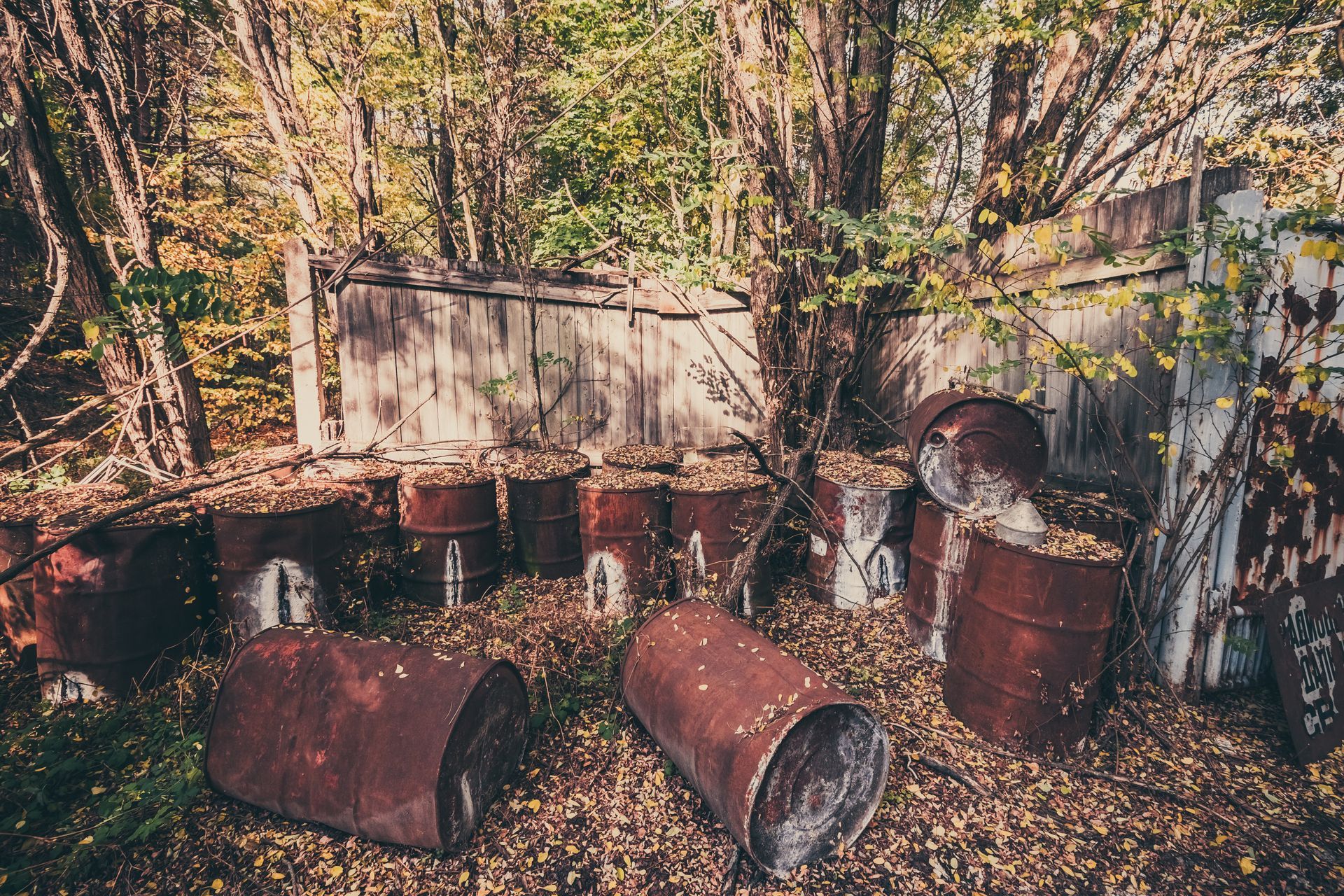
RCRA-compliant management of chemicals, solvents, acids, bases, PCBs, PFAS-contaminated materials, asbestos, and industrial byproducts. Full cradle-to-grave tracking with manifests and disposal certificates.
Industrial Cleaning & Maintenance
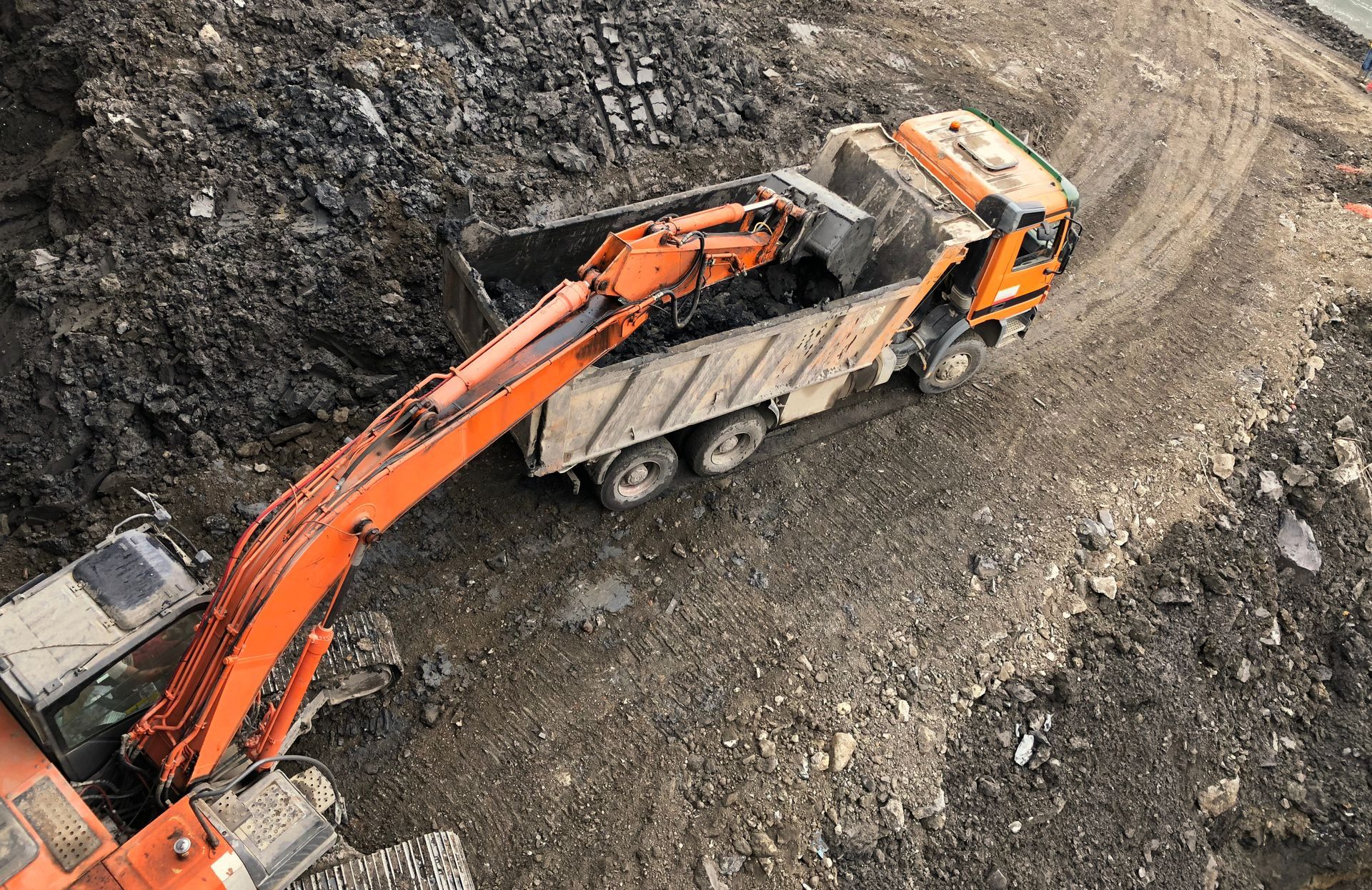
Tank cleaning, lagoon cleanouts, hydroblasting, confined space entry, settling basin dredging, and polymer solidification. Specialized equipment and trained crews for high-risk environments.
Emergency Response Services
24/7 rapid deployment for spills, leaks, and environmental incidents. Containment, recovery, waste categorization, regulatory reporting, and site restoration.
Remediation & Site Restoration
Contaminated soil removal, underground storage tank closure, facility decommissioning, demolition, and brownfield cleanup. Turnkey management from assessment to regulatory clearance.
Lab Packing & Chemical Management
On-site identification, segregation, and packaging of surplus, expired, or unknown chemicals. Compatible grouping and DOT-compliant containerization for safe transport.
Recycling & Waste Minimization
Material recovery programs to reduce disposal costs and support sustainability goals. Solvent recovery, metal recycling, and beneficial reuse options.
Specialized Services
Asbestos abatement, PCB removal, radioactive waste handling, biological waste disposal, universal waste management, and analytical testing (pH, TCLP, flash point).
Certifications & Coverage
- OSHA HAZWOPER Certified field personnel
- DOT Hazmat Transportation approved
- EPA Compliance Expertise across RCRA, CERCLA, TSCA regulations
- $21 Million Pollution & Liability Insurance for complete client protection
- Energy Star Partner
- Nationwide Service Coverage with rapid emergency response capability
Industries We Serve
We work with industrial and manufacturing clients nationwide, including:
- Chemical processing & pharmaceuticals
- Pulp & paper mills
- Utilities & power generation
- Automotive & aerospace manufacturing
- Food & beverage processing
- Metal finishing & fabrication
- Petrochemical & refining
- Mining & mineral processing
- Construction & demolition
- Universities & research institutions
Compliance, Documentation, Peace of Mind
Industrial facilities can't afford compliance failures. Missed pickups delay production. Poor documentation creates audit nightmares. Unresponsive vendors leave you managing problems that should be handled for you.
U.S. Waste Industries solves these problems by delivering what compliance-focused facility managers actually need:
✅ Guaranteed compliance with full EPA, DOT, and OSHA documentation
✅ Responsive service with real experts available 24/7
✅ Predictable costs through transparent pricing and efficient logistics
✅ Single-vendor accountability across all waste streams
✅ Audit-ready records that prove regulatory compliance
Let's Talk About Your Project
Whether you're managing routine waste pickups, planning a facility closure, or responding to an environmental emergency, U.S. Waste Industries delivers the expertise, equipment, and accountability you need.
Lagoon Cleaning FAQs
What qualifies as hazardous waste under EPA regulations?
Under RCRA, hazardous waste is a regulated solid waste that is either listed (F-list, K-list, P-list, U-list from specific industrial processes or discarded commercial products) or exhibits a characteristic: ignitability (flash point <140°F), corrosivity (pH <2 or >12.5), reactivity (unstable, explosive), or toxicity (fails TCLP testing for heavy metals or toxic compounds). Regulated under 40 CFR Parts 260-279.
How long can hazardous waste be stored on-site?
Large Quantity Generators: 90 days. Small Quantity Generators: 180 days (270 days if TSDF is over 200 miles away). Very Small Quantity Generators: no time limit but quantity limits apply (<1,000 kg/month). Exceeding limits requires RCRA storage permit. Containers must be dated, labeled, and stored in compliant accumulation areas.
What is the Biennial Hazardous Waste Report and who must file?
Large Quantity Generators (LQGs) must submit Biennial Reports by March 1 of even-numbered years covering the previous odd-numbered year's waste generation activities. Reported through EPA's RCRAInfo system. Includes waste types, quantities, management methods, and TSDF destinations. Required under 40 CFR 262.41. Late or missing reports trigger enforcement.
Do I need an EPA ID number for hazardous waste disposal?
Yes. All generators transporting hazardous waste off-site must obtain an EPA Identification Number before shipping waste. Applied through state environmental agency or EPA Regional Office. Required for manifest preparation, TSDF acceptance, and compliance tracking. Free to obtain but processing takes 4-6 weeks.
What is e-Manifest and is it required?
The EPA's electronic manifest system (e-Manifest) has been in effect since June 30, 2018. Generators can create manifests electronically or submit paper manifests. As of January 22, 2025, LQGs and SQGs can no longer receive paper copies by mail—they must access final signed manifests through the e-Manifest system. Registration is required. Electronic submission is encouraged for faster processing and lower fees.
How are hazardous waste disposal costs determined?
Pricing depends on waste type and hazard classification, disposal method required (incineration, landfill, treatment), waste quantity and packaging, transportation distance to TSDF, waste profiling and testing needs, and state-specific fees or surcharges. Mixed waste (hazardous + radioactive) or certain regulated materials (PCBs, PFAS) cost more due to limited disposal options.
What happens if hazardous waste is disposed improperly?
Generators retain cradle-to-grave liability under RCRA and CERCLA (Superfund) even after waste leaves their facility. Improper disposal triggers EPA enforcement: penalties exceeding tens of thousands of dollars per day per violation (inflation-adjusted annually), facility shutdown orders, criminal charges for knowing violations, Superfund cleanup liability if TSDF contaminates site, and third-party lawsuits for environmental damage.
Can hazardous waste be recycled instead of disposed?
Yes. Many hazardous materials can be recycled: solvents reclaimed through distillation, waste oil re-refined, metals recovered from sludge or spent catalysts, and used as fuel blending in cement kilns or industrial boilers. Recycling reduces disposal costs and supports sustainability goals but still requires manifest tracking and RCRA compliance.
What is PFAS and how does it affect hazardous waste disposal?
PFAS (per- and polyfluoroalkyl substances) are persistent chemicals. Certain PFAS (notably PFOA/PFOS and their salts/isomers) are CERCLA hazardous substances with a 1-pound reportable quantity for releases in 24 hours (effective July 8, 2024). Reporting to the National Response Center is required for releases meeting the RQ. Facilities that manufacture or import PFAS may have TSCA Section 8(a)(7) reporting requirements with most submissions due by October 13, 2026. Disposal follows state-specific requirements and specialty treatment options.
Do you provide emergency hazardous waste response?
Yes. 24/7 emergency dispatch available at 800-727-9796. Crews mobilize within hours for spills, container failures, transportation accidents, or unknown material discovery. Services include containment, recovery, waste characterization, CERCLA reporting support, and complete cleanup documentation.
Related Services for Complete Lagoon Projects
Non-Hazardous Waste Disposal
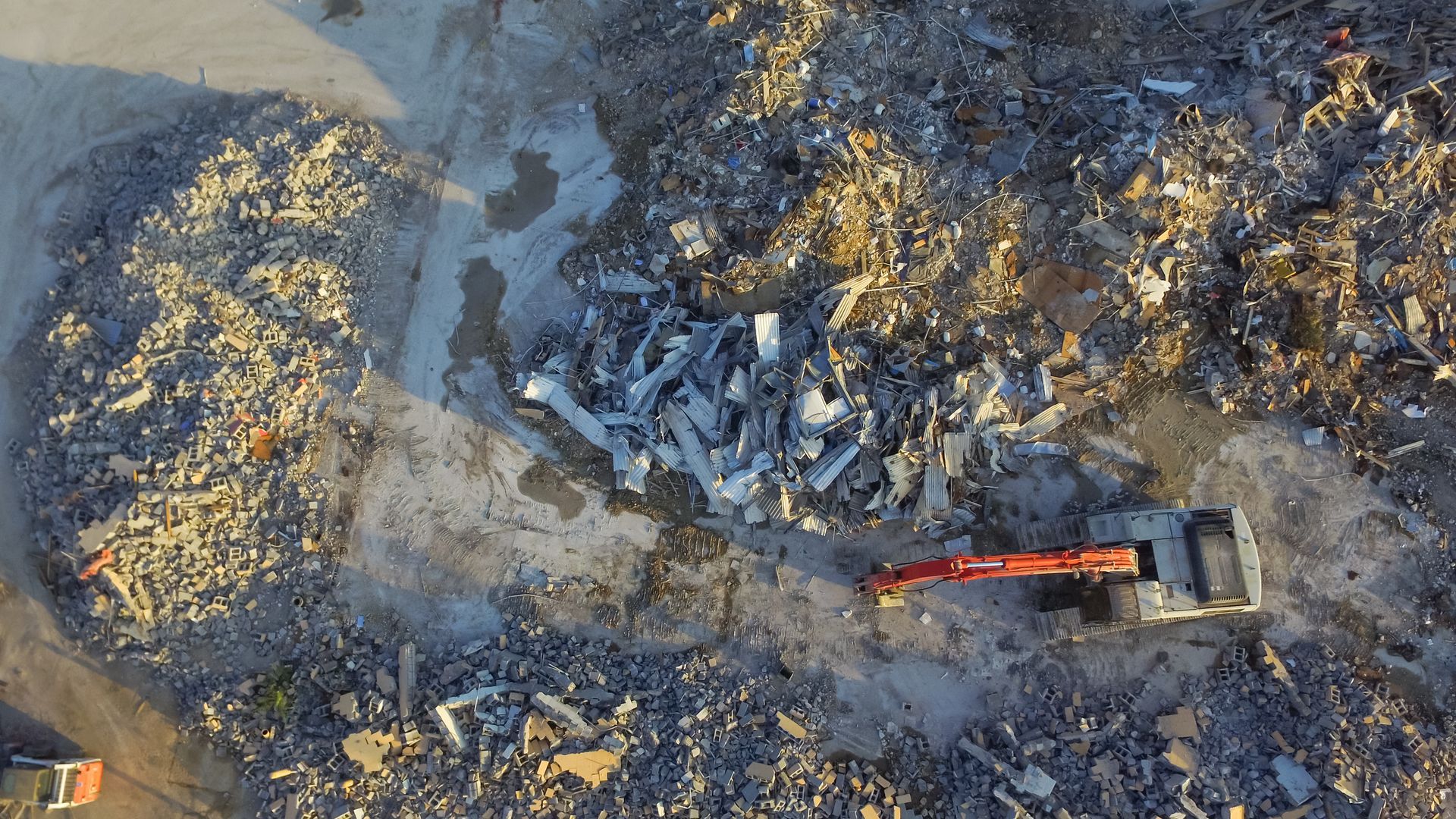
Industrial byproducts, construction debris, and solid waste management