Emergency Spill CASE STUDY
I-95 Highway EMERGENCY RESPONSE Cleanup Project
300 Gallons of Fuel Contained and Removed in 15 Hours – South Carolina Highway Emergency
Project Overview
When a tractor-trailer carrying machine parts rolled into a creek along Interstate 95, spilling diesel fuel and oil into an environmentally sensitive waterway, we mobilized immediately.
Our emergency response team arrived within hours, contained the spill, recovered all fuel and oil, salvaged cargo, and restored the site to full compliance—all between 6 PM and 9 AM the next morning.
Project Snapshot
Response time:
Crew on-site by 6 PM same day
Completion:
9 AM next morning (15 hours)
Fuel recovered:
300 gallons diesel + 50 gallons oil
Environmental impact:
Zero downstream contamination
| Detail | Specification |
|---|---|
| Location | Interstate 95, South Carolina |
| Incident Type | Truck rollover into creek |
| Spill Volume | 300 gallons diesel fuel, 50 gallons oil |
| Environmental Risk | Creek contamination, highway closure |
| Challenge | Night operation, active traffic, sensitive waterway |
| Response Time | Crew arrived 6 PM same day |
| Completion | 15 hours (6 PM to 9 AM) |
| Crew Size | 5-person HAZWOPER-trained team |
The Challenge:
Fuel in Creek, Highway Closed, Cargo Scattered
Highway truck spills are common along the busy I-95 corridor in South Carolina. This incident involved a driver who fell asleep after a long day on the road. The truck rolled off the highway and into a flowing creek.
When law enforcement arrived, they found:
- 300 gallons of diesel fuel spilled into creek
- 50 gallons of oil contaminating water and soil
- Six palletized loads of machine parts scattered across the site
- Active traffic disruption on major interstate
- Environmental officials on-site requiring immediate containment
Highway authorities called us immediately. Time was critical—every minute the fuel stayed in the creek increased contamination risk downstream.
Why rapid response matters:
Petroleum spills in waterways spread quickly. Diesel fuel floats on water and moves with the current, contaminating banks and vegetation downstream. Oil coats rocks and sediment, harming aquatic life. The longer contamination sits, the harder and more expensive cleanup becomes.
We had to contain the spill immediately to prevent downstream spread, then recover all petroleum products before they soaked deeper into soil or dispersed in the water.
Our Approach:
Immediate Mobilization and Containment
Our 24/7 emergency response teams are trained to operate under pressure in organized, efficient ways. We mobilized a five-person HAZWOPER-certified crew with specialized equipment immediately.
Step 1: Equipment and Crew Dispatch (Within Hours)
Our team arrived on-site at approximately 6 PM with:
Spill containment equipment:
- Absorbent booms for creek containment
- Petroleum-specific absorbent pads
- Vacuum equipment for liquid fuel recovery
- Specialized containers for contaminated materials
Heavy equipment:
- Two excavators for debris removal and soil recovery
- Trucks for material transport
Our crew included a lead coordinator who worked directly with environmental officials and law enforcement throughout the operation.
Step 2: Site Assessment and Response Plan
Working with environmental officials, our crew leader assessed the situation and developed a containment strategy:
Priorities:
- Stop downstream contamination immediately
- Recover fuel and oil from creek and soil
- Remove contaminated soil
- Salvage cargo and clear debris
- Restore highway safety and traffic flow
Step 3: Fuel and Oil Containment
Our first action was deploying absorbent booms across the creek downstream from the spill. These floating barriers prevented fuel from spreading further while we worked to recover it.
Recovery process:
We used petroleum-specific absorbent pads designed to soak up oil and fuel while repelling water. These pads were placed directly on contaminated water surfaces and soil. As they absorbed petroleum products, we collected them and placed them in DOT-approved containers.
Vacuum equipment recovered free-floating fuel and oil from the water surface. Combined with absorbent materials, we recovered:
- Approximately 300 gallons of diesel fuel
- Approximately 50 gallons of oil
All contaminated soil around the spill area was excavated and containerized for proper disposal at a permitted facility.
Step 4: Cargo Recovery and Debris Removal
While containment was underway, another crew addressed the scattered machine parts:
Six palletized loads total:
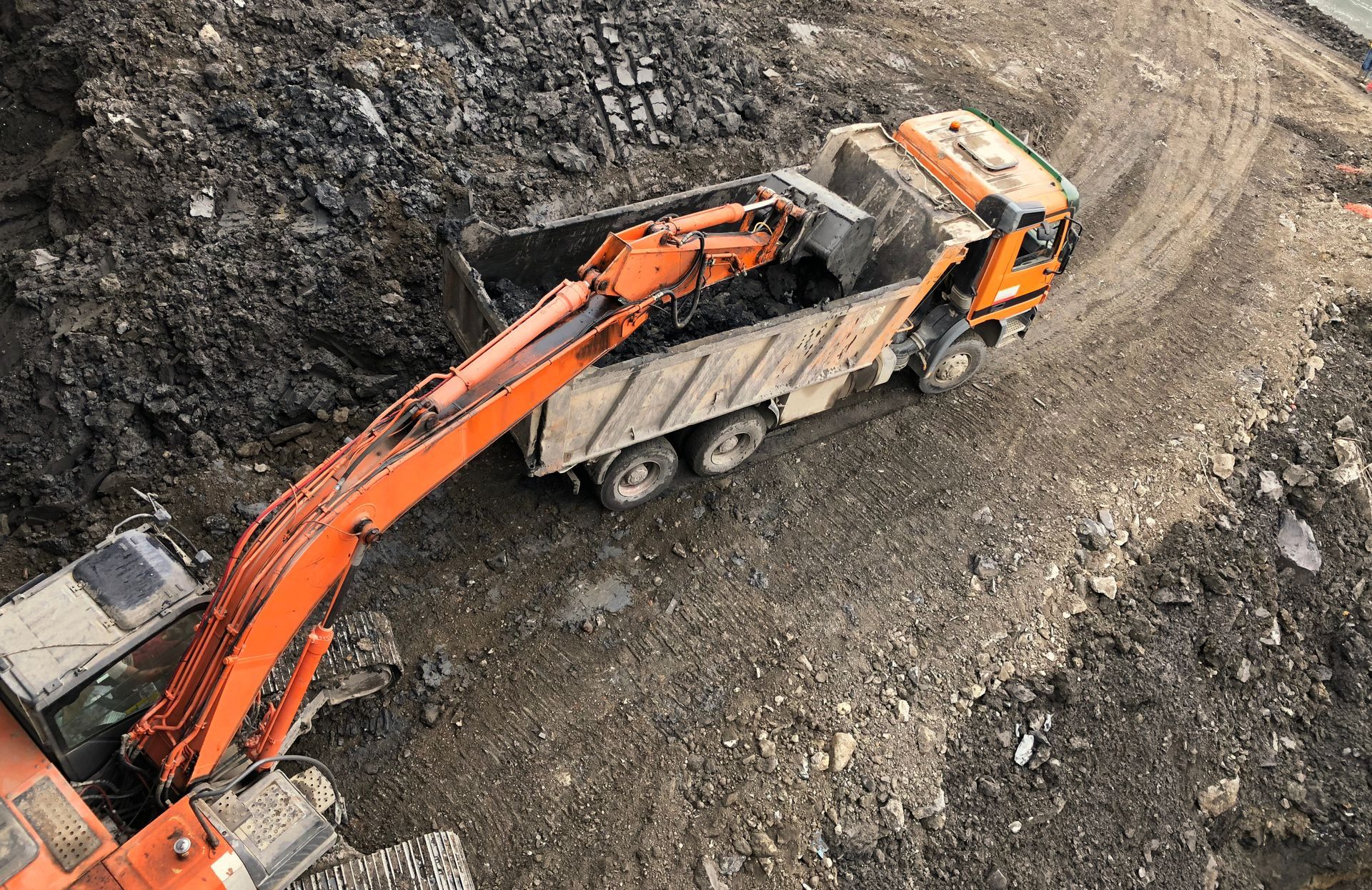
- Four pallets intact - Used excavators to lift and move to staging area
- Two pallets damaged - Salvaged significant portion of contents, removed rest to containers
This cargo recovery minimized the client's loss and prevented metal debris from entering the creek.
Step 5: Site Restoration and Traffic Clearance
Our team worked through the night, coordinating with law enforcement to maintain safety near active traffic lanes. All operations followed strict safety protocols for highway work zones.
By 9 AM the next morning:
- Creek fully cleaned and containment removed
- All contaminated soil excavated and containerized
- Cargo salvaged or removed
- Highway cleared for normal traffic
- Site restored to pre-incident condition
Results:
15-Hour Complete Response
This emergency response demonstrates the speed and safety focus we bring to every spill:
Timeline
- 6 PM - Emergency crew arrived on-site with equipment
- 6-10 PM - Containment deployed, fuel recovery started
- 10 PM-6 AM - Fuel/oil recovery, soil removal, cargo salvage
- 6-9 AM - Final cleanup and site restoration
- 9 AM - Site fully restored, highway reopened
Environmental Protection
- Zero downstream contamination - Creek protected from pollution spread
- Complete petroleum recovery - 350 total gallons recovered
- Aquatic habitat preserved - No long-term creek damage
Compliance and Safety
- Full EPA compliance - All South Carolina and federal regulations met
- Complete documentation - Manifests and disposal certificates provided
- Zero safety incidents - Despite night work on active highway
What Makes Our Emergency Response Effective
Highway spills require trained professionals who can assess risks, coordinate with authorities, and work safely under pressure.
24/7 availability: Our emergency hotline (800-727-9796) is answered by real people who can dispatch crews within hours—not days.
HAZWOPER-trained teams: Every crew member is certified in Hazardous Waste Operations and Emergency Response (29 CFR 1910.120). They know how to handle petroleum spills, hazardous materials, and contaminated environments safely.
Specialized equipment: We maintain petroleum-specific absorbent materials, containment booms, excavators, and DOT-approved transport containers ready for immediate deployment.
Regulatory coordination: Our crew leaders work directly with EPA officials, state environmental agencies, and law enforcement to ensure compliant cleanup and proper documentation.
Safety in high-risk environments: Working at night on an active interstate requires strict protocols. We coordinate with law enforcement, maintain traffic safety, and complete work without incidents.
METHODS USED in This Project
24/7 emergency spill response - Rapid crew and equipment mobilization
Petroleum recovery and containment - Creek cleanup and soil removal
Heavy equipment deployment - Excavators and specialized spill response tools
Regulatory coordination - Working with EPA, state officials, law enforcement
Highway safety operations
- Night work on active interstate with traffic management
What Makes Our Emergency Response Effective
Highway spills require trained professionals who can assess risks, coordinate with authorities, and work safely under pressure.
24/7 availability: Our emergency hotline (800-727-9796) is answered by real people who can dispatch crews within hours—not days.
HAZWOPER-trained teams: Every crew member is certified in Hazardous Waste Operations and Emergency Response (29 CFR 1910.120). They know how to handle petroleum spills, hazardous materials, and contaminated environments safely.
Specialized equipment: We maintain petroleum-specific absorbent materials, containment booms, excavators, and DOT-approved transport containers ready for immediate deployment.
Regulatory coordination: Our crew leaders work directly with EPA officials, state environmental agencies, and law enforcement to ensure compliant cleanup and proper documentation.
Safety in high-risk environments:
Working at night on an active interstate requires strict protocols. We coordinate with law enforcement, maintain traffic safety, and complete work without incidents.
Types of Emergency Spills We Handle
U.S. Waste Industries provides 24/7 emergency response for:
Transportation incidents:
- Truck rollovers and fuel spills
- Tanker accidents (diesel, gasoline, chemicals)
- Rail derailments
- Cargo damage and releases
Facility emergencies:
- Pipeline leaks and ruptures
- Storage tank failures
- Loading/unloading spills
- Industrial accidents
Environmental releases:
- Creek and waterway contamination
- Soil contamination
- Stormwater system impacts
REQUEST A QUOTE FOR ABANDONED SITE CLEANUP
Dealing with a contaminated or abandoned property?
If you're dealing with an active spill or environmental emergency, call our 24/7 hotline immediately:
📞 Emergency Hotline: 800-727-9796 (24/7)
Related Projects