NATIONWIDE SERVICES
24/7 EMERGENCY RESPONSE SERVICES
Immediate Spill Containment, Hazardous Material Cleanup, and Environmental Incident Management
Call Emergency Hotline: 800-727-9796
Available 24/7/365
U.S. Waste Industries, Inc.
RAPID MOBILIZATION FOR CHEMICAL SPILLS, FUEL RELEASES, AND INDUSTRIAL ACCIDENTS WITH DOCUMENTATION TO SUPPORT REGULATORY COMPLIANCE
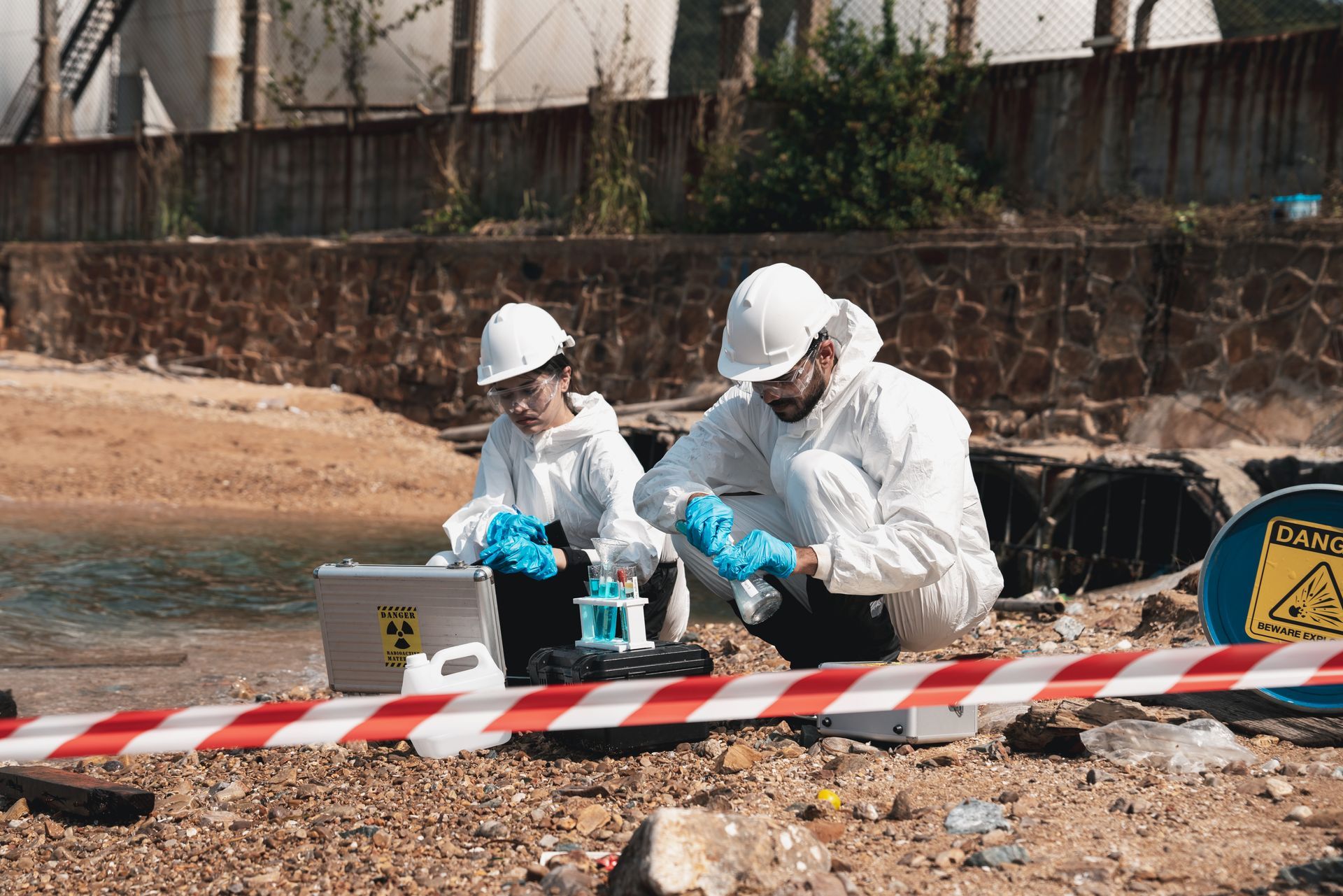
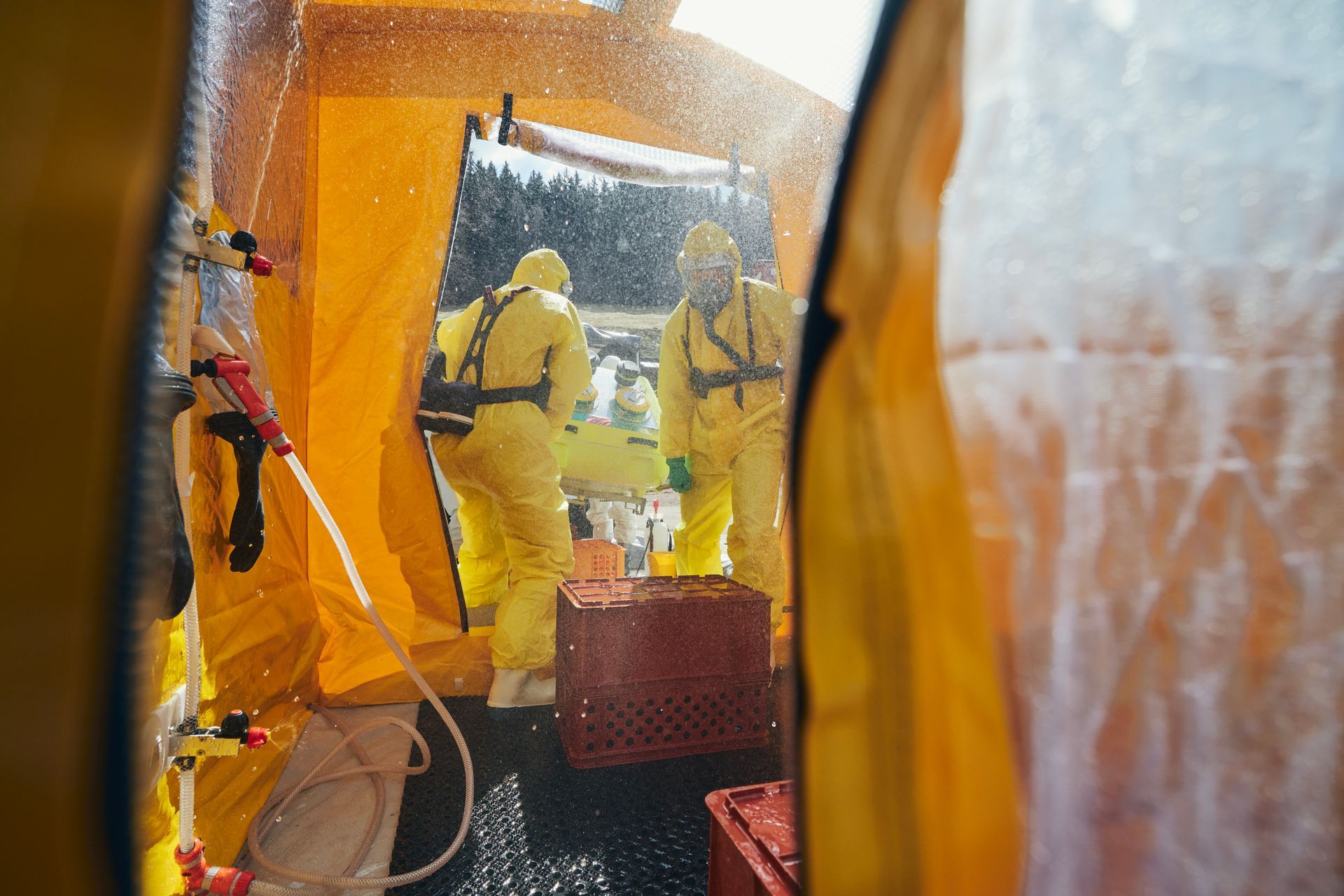
Emergency response provides immediate containment, recovery, and disposal of hazardous materials released during spills, accidents, or disasters. Our OSHA HAZWOPER-trained crews deploy nationwide—typically within hours depending on location and conditions—with specialized equipment to minimize environmental damage, protect worker safety, and provide complete documentation for compliance and insurance.
Learn About Site Remediation
NATIONWIDE SERVICE • REAL PEOPLE 24/7 EMERGENCY RESPONSE • 25+ YEARS • ZERO VIOLATIONS • OSHA HAZWOPER-TRAINED • DOT APPROVED • $21M INSURED
What Is Emergency Response?
Emergency response is the immediate deployment of trained personnel and specialized equipment to contain, recover, and dispose of hazardous materials released during environmental incidents. Response teams prevent contamination spread, protect workers and communities, support regulatory reporting under CERCLA and EPCRA, and restore sites to safe conditions.
U.S. Waste Industries maintains a nationwide network of HAZWOPER-trained professionals available 24/7/365. Our crews mobilize—typically within hours depending on location, access, weather, and incident conditions—with vacuum trucks, containment booms, absorbent materials, and DOT-approved containers to manage incidents from small drum spills to large-scale releases.
When to Call Emergency Services
Pipeline and Oilfield Leaks
Wellhead failures, pipeline ruptures, or gathering system leaks releasing crude oil, natural gas liquids, or produced water. May involve CERCLA and EPCRA reporting, as well as state environmental agency coordination.
Chemical Spills & Releases
Leaking drums, failed storage tanks, process equipment ruptures, or transfer system failures releasing acids, bases, solvents, pesticides, or other hazardous chemicals. Requires immediate containment to prevent soil, groundwater, or surface water contamination.
Transportation Accidents
Truck rollovers, rail derailments, or cargo spills on highways, rail lines, or at port facilities. Incidents blocking roadways or threatening waterways require rapid response to restore traffic flow and prevent environmental damage.
Industrial Accidents
Process upsets, equipment malfunctions, fires, or explosions releasing hazardous materials at manufacturing facilities, chemical plants, refineries, or utilities. Often involve multiple waste streams requiring segregation and specialized disposal.
Natural Disasters
Hurricanes, floods, tornadoes, or earthquakes damaging storage tanks, chemical facilities, or waste treatment systems. Disaster debris may contain hazardous materials requiring proper identification and disposal.
Fuel and Oil Spills
Diesel, gasoline, heating oil, or crude oil releases from tank failures, pipeline leaks, vehicle accidents, or transfer operations. Petroleum products spread rapidly on water and soil, requiring immediate containment and recovery.
Unknown Material Discovery
Abandoned drums, deteriorating containers, or unidentified substances discovered at foreclosed properties, acquired facilities, or construction sites. Requires field screening and safe handling protocols.
PFAS Contamination
Releases of PFOA, PFOS, or other CERCLA hazardous substances exceeding reportable quantities. Requires National Response Center notification and specialized containment methods.
Types of Emergencies We Handle
Transportation Spills: Truck accidents, rail derailments, port incidents, cargo releases during loading/unloading
Industrial Facility Incidents: Process equipment failures, tank ruptures, fire damage, reactor failures, loading rack spills
Petroleum Emergencies: Pipeline ruptures, wellhead failures, tank battery spills, crude oil releases
Natural Disaster Response: Hurricane/flood damage to chemical facilities, tornado/earthquake impacts, storm debris with hazardous materials
Environmental Contamination: Soil contamination, surface water impacts, groundwater discovery, stormwater system contamination
Unknown Materials: Drum discoveries, legacy waste, deteriorated containers, underground tank leaks
CERCLA/Oil Discharges: Hazardous substances at/above RQ, oil spills to navigable waters, petroleum releases creating visible sheen
Types of Emergencies We Handle
Transportation Spills: Truck accidents, rail derailments, port incidents, cargo releases during loading/unloading
Industrial Facility Incidents: Process equipment failures, tank ruptures, fire damage, reactor failures, loading rack spills
Petroleum Emergencies: Pipeline ruptures, wellhead failures, tank battery spills, crude oil releases
Natural Disaster Response: Hurricane/flood damage to chemical facilities, tornado/earthquake impacts, storm debris with hazardous materials
Environmental Contamination: Soil contamination, surface water impacts, groundwater discovery, stormwater system contamination
Unknown Materials: Drum discoveries, legacy waste, deteriorated containers, underground tank leaks
CERCLA/Oil Discharges: Hazardous substances at/above RQ, oil spills to navigable waters, petroleum releases creating visible sheen
Regulatory Compliance and Reporting
CERCLA Reporting (Superfund) For CERCLA hazardous substances at/above reportable quantities in 24 hours, the person in charge must immediately notify the National Response Center (1-800-424-8802). PFOA/PFOS have 1-pound RQ (effective July 8, 2024). Other substances range from 1 to 5,000 pounds.
EPCRA Section 304 Notification RQ releases may require notification to State Emergency Response Commission (SERC) and Local Emergency Planning Committee (LEPC).
Oil Spill Reporting (Clean Water Act) Oil discharges reaching waters of the U.S. may be reportable under 40 CFR Part 110. EPA uses "sheen" concept—visible sheen requires immediate NRC notification.
State and DOT Requirements Most states require immediate notification for releases exceeding thresholds. DOT transportation incidents require NRC telephonic notice (no later than 12 hours) and written follow-up when applicable.
Waste Generated During Cleanup Cleanup residues may become regulated waste requiring proper profiling, manifesting, and disposal under RCRA or applicable regulations.
We provide complete incident documentation to support regulatory compliance and insurance claims.
Industries we Serve
Manufacturing & Chemical Processing: Process upsets, equipment failures, tank spills, acids/bases/solvents/oxidizers
Petrochemical & Refining: Crude oil spills, product releases, pipeline ruptures, equipment failures
Transportation & Logistics: Highway accidents, rail derailments, marine spills, cargo handling incidents
Agriculture: Pesticide spills, fertilizer releases, fuel spills, manure lagoon failures
Utilities & Power: Transformer oil (PCBs), chemical treatment failures, fuel releases
Construction & Demolition: Fuel spills, hydraulic releases, unknown materials during excavation, UST leaks
Government & Military: Federal/state/local facility support, multi-agency coordination

Our Emergency Response Process
Step 1: Immediate Deployment 24/7 hotline answered by live experts. HAZWOPER-trained crews mobilize with appropriate equipment, typically arriving within hours depending on location and conditions.
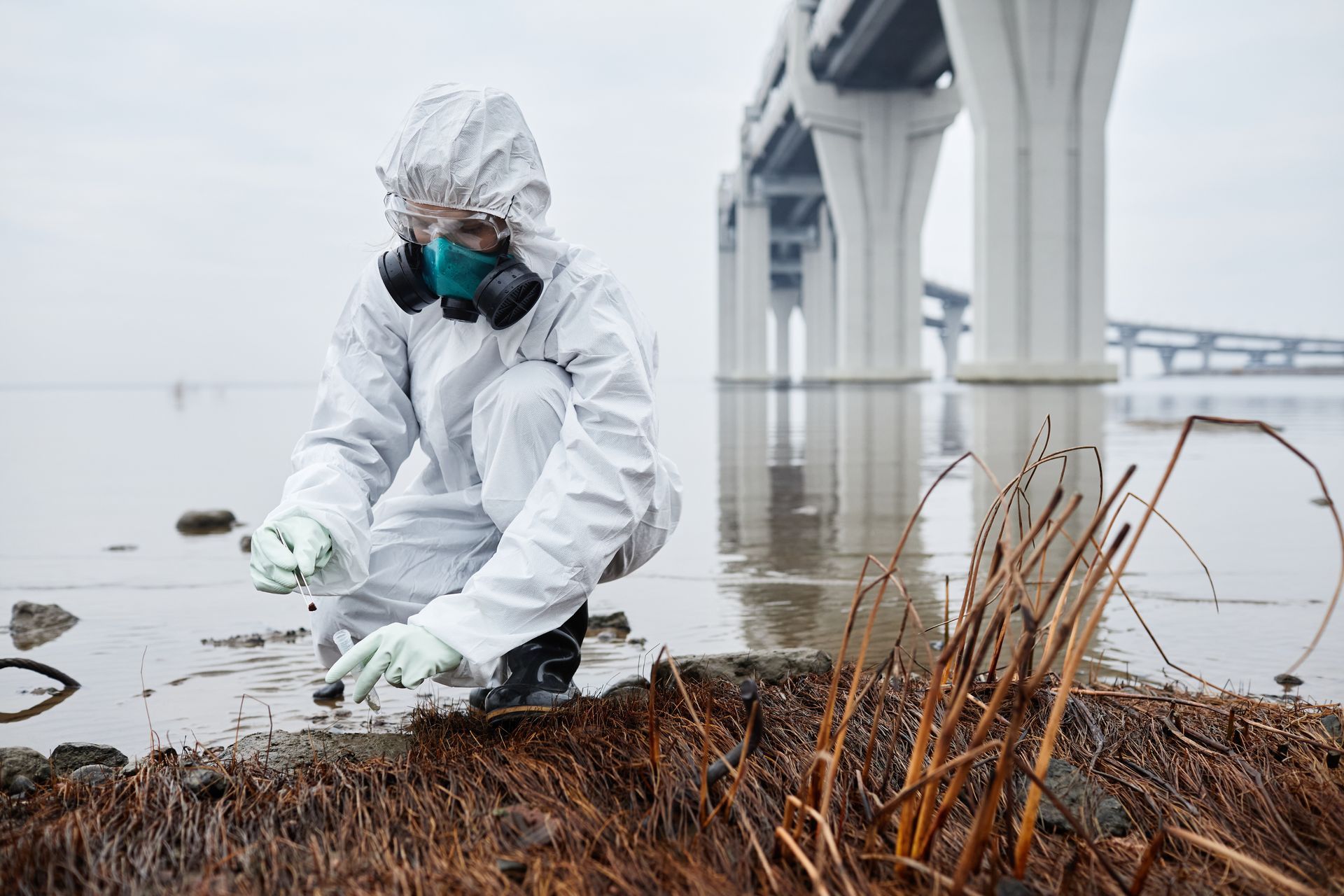
Step 2: Site Assessment Evaluate release scope, identify materials, establish safety perimeter, conduct air monitoring, coordinate with facility personnel and emergency responders.
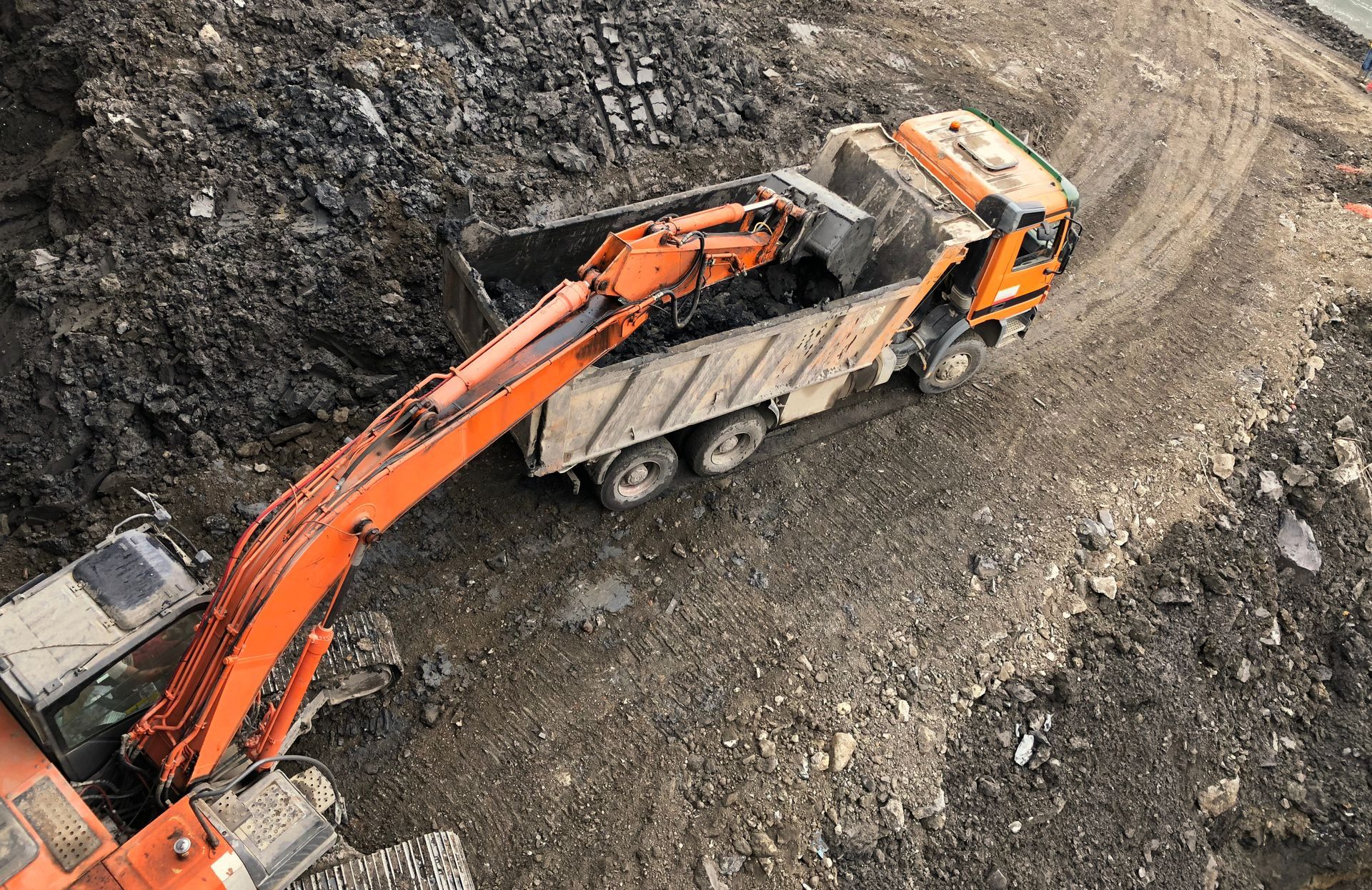
Step 3: Containment and Source Control Deploy absorbent booms, construct earthen berms, place absorbent materials, cover storm drains, stop leak source if safe.
Step 4: Material Recovery Use vacuum trucks, pumps, absorbents, excavators, and manual collection. All materials containerized in DOT-approved containers.
Step 5: Waste Characterization Field screening for hazard controls and preliminary characterization. Laboratory analysis used as needed to confirm classification and determine proper disposal requirements. RCRA waste codes and DOT shipping names assigned based on complete characterization.
Step 6: Regulatory Support and Documentation We support required notifications and provide incident documentation; the person in charge remains responsible for ensuring notifications are made per applicable regulations. For CERCLA hazardous substances at/above RQ, immediate NRC notification is required. EPCRA Section 304 may require SERC/LEPC notifications. DOT incidents require NRC telephonic notice (no later than 12 hours) when applicable. Cleanup residues are properly profiled and manifested as required.
Step 7: Transportation and Disposal All materials transported under DOT regulations to RCRA-permitted TSDFs, petroleum recycling facilities, or state-approved landfills. Complete manifests and tracking provided.
Step 8: Site Restoration and Documentation Site cleaned and restored. Final sampling if required. Comprehensive incident report including photographs, manifests, disposal certificates, and regulatory notification support records.
Case Study: I-95 Highway Cleanup
Challenge: Tractor-trailer rollover at 6 PM released 300 gallons diesel fuel and 50 gallons oil into environmentally sensitive creek. Required immediate containment, highway clearance, and regulatory compliance.
Solution: Five-person crew dispatched immediately with absorbent booms, excavators, vacuum equipment, and DOT containers. Deployed containment downstream. Recovered fuel/oil using absorbents and vacuum extraction. Excavated contaminated soil. Salvaged cargo. Coordinated with law enforcement and environmental officials. All waste properly manifested.
Results: Crew on-site by 6 PM. Cleanup completed 9 AM next morning (15 hours). No confirmed downstream impacts based on field observations. Highway reopened. Complete documentation provided.
Why Work With U.S. Waste Industries
24/7 Immediate Response: Live experts answer calls—no automated systems. HAZWOPER-trained crews mobilize rapidly with specialized equipment nationwide.
Comprehensive Documentation: Complete incident records to support regulatory compliance including notifications, manifests, certificates, and timeline documentation. $21 million liability coverage protects your organization.
Single-Vendor Accountability: One team manages containment, recovery, characterization, transportation, and disposal. Family-run business means fast decisions and direct owner involvement.
REQUEST EMERGENCY RESPONSE SUPPORT
Active emergency? Call 24/7 hotline immediately: 800-727-9796
For non-emergency planning, training, or service agreements, request a consultation.
What to include:
Incident location and access details, material type and estimated quantity, immediate hazards and environmental impacts, regulatory agencies notified, and any injuries or exposures. Photos help our team prepare appropriate response.
EMERGENCY RESPONSE FAQs
How quickly can you respond?
Typically within hours depending on location, access, weather, and incident conditions. We maintain nationwide coverage with equipment ready for immediate deployment.
Do you provide 24/7 response?
Yes. Our emergency hotline (800-727-9796) is answered by live experts 24/7/365. Crews available for immediate dispatch including nights, weekends, and holidays.
What types of spills do you handle?
Chemical spills (acids, bases, solvents, pesticides), petroleum releases (diesel, gasoline, crude oil), industrial accidents, transportation incidents (truck, rail, marine), pipeline/oilfield leaks, natural disaster impacts, and unknown materials. Hazardous and non-hazardous.
Do you help with regulatory reporting?
We support required notifications and provide documentation; the person in charge remains responsible for ensuring notifications are made per regulations. This includes CERCLA RQ notifications to NRC, EPCRA notifications to SERC/LEPC, oil spill reporting, and DOT incident reporting when applicable.
How much does emergency response cost?
Depends on incident size, materials involved, equipment needed, response duration, and disposal requirements. Emergency situations prioritize immediate action. Insurance often covers response costs. We provide detailed documentation for claims.
Will you coordinate with our insurance?
Yes. We provide incident documentation, photographs, manifests, disposal records, timeline, and cost itemization. We communicate directly with adjusters and provide technical information for claim processing.
Do you handle PFAS spills?
Yes. PFOA/PFOS have 1-pound RQ in 24 hours (effective July 8, 2024). We support NRC notification processes, provide containment, coordinate waste disposal, and provide compliance documentation.
What certifications do your crews have?
HAZWOPER-trained consistent with role requirements, including required refreshers per 29 CFR 1910.120. Additional certifications include confined space entry, respiratory protection, DOT hazmat transportation, and incident command system.
Related Services TO LAB PACKING