NATIONWIDE SERVICES
Industrial RECYCLING SERVICES
Metal Recycling, Solvent Recovery, and Hazardous Waste Minimization Programs
U.S. Waste Industries, Inc.
We Provide Industrial WASTE, RECYCLING & Environmental SOLUTIONS Nationwide
Recover valuable materials from manufacturing waste streams—metals, solvents, oils, plastics, and cardboard—reducing landfill expenses and supporting corporate sustainability commitments.
Learn About Industrial Recycling
NATIONWIDE SERVICE • REAL PEOPLE 24/7 EMERGENCY RESPONSE • 25+ YEARS • ZERO VIOLATIONS • OSHA HAZWOPER-TRAINED • DOT APPROVED • $21M INSURED
WHAT IS INDUSTRIAL RECYCLING
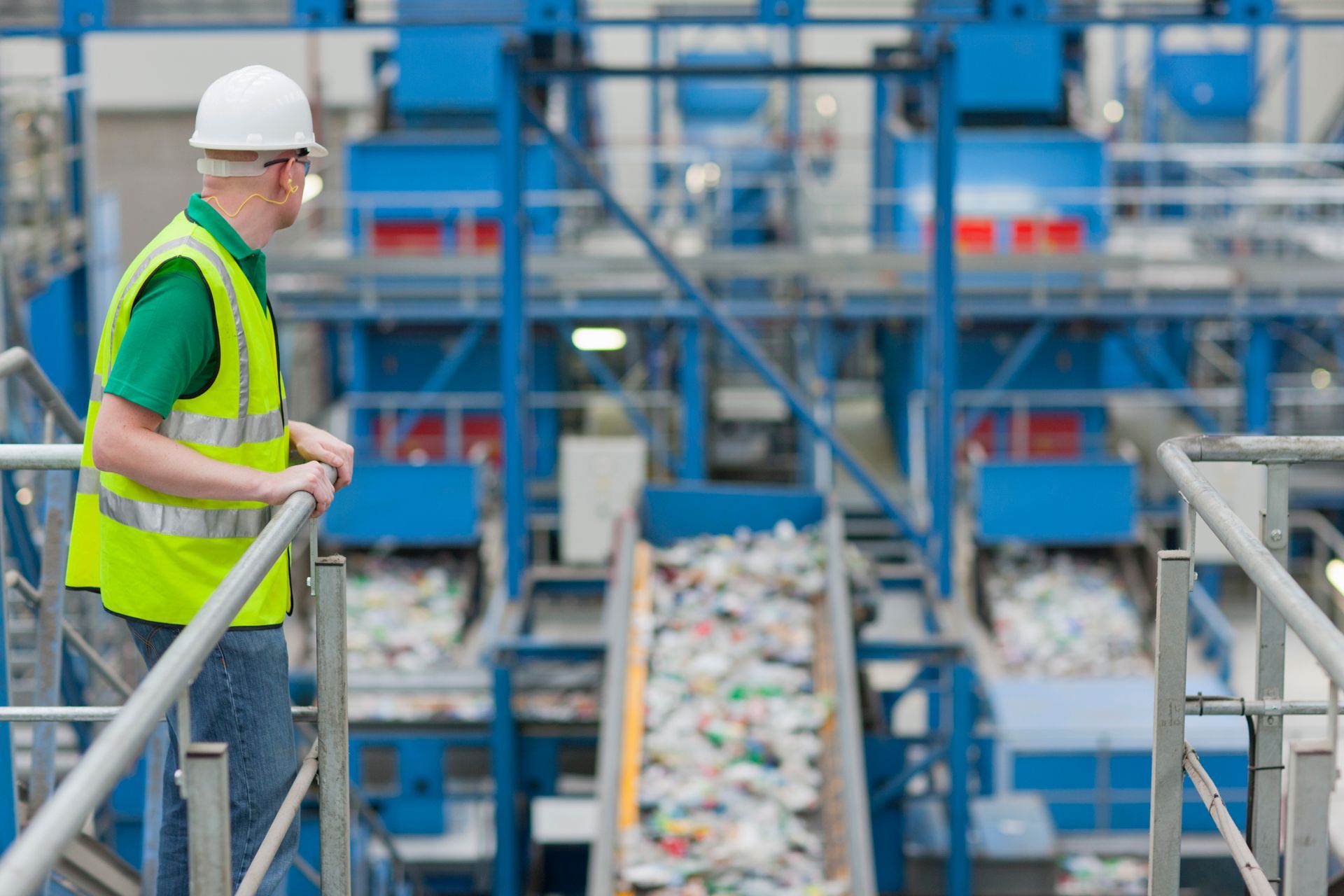
Industrial recycling recovers and reuses materials from manufacturing waste streams to reduce disposal costs and environmental impact.
Your facility generates recyclable materials, including scrap metals (steel, aluminum, and copper), plastics, cardboard, wood, concrete, e-waste, and hazardous substances such as solvents, acids, and oils.
Without recycling programs, these materials end up in landfills, while you purchase virgin materials at premium prices. Effective recycling programs recover materials for reuse, divert waste from landfills, and generate revenue through commodity sales or by avoiding disposal costs.
Rising landfill fees and raw material costs make recycling essential for cost control. Facilities with comprehensive recycling programs typically achieve 40-60% reduction in overall disposal costs and 70-80% landfill diversion rates.
Professional industrial recycling includes waste stream assessment, on-site material segregation, transportation to recycling facilities or recovery processors, and detailed diversion reporting for ESG and regulatory compliance documentation.
WHY FACILITIES NEED Industrial Recycling
Manufacturing Cost Reduction
Rising raw material costs squeeze profit margins. Your scrap metal, plastic, and cardboard recycling programs convert waste expenses into recovered value—reducing virgin material purchases and generating revenue from commodity sales. Material recovery offsets procurement costs through scrap metal sales, recovered solvents for reuse, and reprocessed oils that reduce purchasing budgets while lowering overall waste management expenses.
EPA Waste Minimization Compliance
EPA regulations under RCRA (40 CFR Part 262.41) require large quantity generators to document waste minimization efforts and certify pollution prevention practices on Biennial Reports. Your recycling documentation satisfies these requirements while demonstrating good-faith compliance during inspections and audits. Industrial recycling programs provide the verified metrics EPA inspectors expect to see.
ESG and Sustainability Reporting
Corporate sustainability commitments require documented landfill diversion and carbon footprint reduction. Your industrial recycling programs provide verified metrics for ESG disclosures, ISO 14001 certification, and stakeholder reporting—showing measurable environmental impact from material recovery, energy savings, and emissions reductions. Recycling data strengthens sustainability reports and demonstrates environmental stewardship to investors, customers, and regulators.
Hazardous Waste Generator Status Reduction
Facilities approaching Large Quantity Generator (LQG) thresholds face increased regulatory burden and reporting requirements under 40 CFR Part 262. Solvent recovery and hazardous material recycling reduce monthly generation volumes—potentially downgrading your facility to Small Quantity Generator status and lowering compliance costs, training requirements, and inspection frequency.
Landfill Capacity Constraints
Rising landfill tipping fees and declining disposal capacity make recycling essential for cost control. Your material diversion programs eliminate 70-80% of waste volume—reducing hauling frequency, container rentals, and disposal fees while extending relationships with increasingly limited landfill facilities. Recycling prevents cost escalation as landfills reach capacity and tipping fees increase.
Closed-Loop Manufacturing Systems
Zero-waste manufacturing goals require material recovery systems that feed production inputs back into processes. Your on-site solvent recovery, scrap metal recycling, and process chemical reclamation create closed-loop systems—reducing external purchases and waste generation simultaneously. Closed-loop programs support lean manufacturing initiatives and reduce dependency on supply chain volatility.
TYPES OF INDUSTRIAL WASTE WE RECYCLE
Non-Hazardous Recyclable Materials
Scrap Metals: Copper, steel, aluminum, brass, stainless steel, and other ferrous and non-ferrous metals from manufacturing processes, equipment demolition, and maintenance operations.
Plastics: HDPE, PET, PVC, polypropylene, and industrial plastic scrap from packaging, production waste, and post-consumer materials.
Cardboard and Paper: Corrugated cardboard, office paper, kraft paper, and packaging materials suitable for pulp recovery.
Wood and Wood Products: Pallets, crates, dimensional lumber, and clean wood waste for mulch, biomass fuel, or particle board production.
Concrete, Brick, and Masonry: Inert construction debris suitable for crushing into aggregate or road base applications.
Textiles: Industrial fabrics, fibers, and textile manufacturing waste for fiber reprocessing.
Electronic Waste (E-Waste): Circuit boards, computers, monitors, and electronic components containing recoverable precious metals and recyclable plastics.
Hazardous Material Recovery
Solvents: Acetone, toluene, xylene, methanol, and other industrial solvents for distillation and reuse in cleaning, coating, or chemical processes.
Acids and Bases: Sulfuric acid, hydrochloric acid, nitric acid, and caustic solutions from metal finishing, chemical manufacturing, and laboratory operations.
Oils and Fuels: Used motor oil, hydraulic fluid, cutting oils, and waste petroleum products for fuel blending or re-refining.
Fluorescent Bulbs and Mercury-Containing Devices: Universal waste for mercury and phosphor powder recovery.
Batteries: Lead-acid batteries for lead recovery; lithium-ion batteries for cobalt, nickel, and lithium recovery.
INDUSTRIAL RECYCLING SOLUTIONS
Scrap Metal Recovery Programs
Scheduled pickups for ferrous and non-ferrous metals including steel, aluminum, copper, brass, and stainless steel. Your facility receives dedicated containers, regular collection routes, and commodity pricing reports showing recovered value. Programs include wire chopping, metal baling, and sorting services to maximize recovery rates.
On-Site Solvent Distillation
Mobile solvent recovery units deployed at your facility purify contaminated solvents for immediate reuse. Acetone, toluene, xylene, methanol, and cleaning solvents are distilled on-site, reducing virgin solvent purchases 70-90% while eliminating off-site transportation and disposal costs.
Cardboard and Packaging Recycling
Baling equipment and scheduled pickup for corrugated cardboard, kraft paper, and packaging materials. Your materials are delivered to paper mills for pulp recovery, generating revenue or cost credits while reducing landfill volume. Programs include on-site baler installation and maintenance.
Used Oil and Lubricant Recovery
Collection and recycling of used motor oil, hydraulic fluid, cutting oils, and waste petroleum products. Your oils are transported to re-refineries or fuel blending facilities for energy recovery. Programs include bulk tank services, drum exchange, and absorbent material management.
Plastic Waste Segregation
Separation and recycling of HDPE, PET, PVC, and polypropylene from manufacturing scrap and packaging waste. Clean, segregated plastics command premium recycling rates. Programs include color-coded containers, employee training, and contamination prevention protocols.
Universal Waste Management
Compliant collection and recycling of batteries (lead-acid, lithium-ion), fluorescent bulbs, mercury-containing devices, and electronic waste. Your universal waste is processed for mercury recovery, precious metal extraction, and component recycling—preventing environmental contamination while meeting EPA requirements under 40 CFR Part 273.
Wood Pallet Repair and Reuse
Assessment, repair, and resale of reusable pallets to maximize value recovery. Damaged pallets are processed for mulch, biomass fuel, or particle board production. Programs reduce new pallet purchases while diverting wood waste from landfills.
Concrete and Masonry Crushing
On-site or facility-based crushing of concrete, asphalt, brick, and masonry waste for aggregate production or road base applications. Your inert construction debris is diverted from landfills and reused in construction projects—eliminating disposal costs entirely.
Fuel Blending Coordination
Management of flammable hazardous waste with sufficient BTU value for energy recovery at cement kilns, industrial boilers, or energy recovery facilities. Your waste is tested, manifested, and transported to permitted facilities under 40 CFR Part 266 Subpart C—converting disposal expense into cost-effective fuel replacement.
Custom Waste Audits and Program Design
Comprehensive facility assessment identifying all recyclable materials, quantifying volumes, evaluating current disposal costs, and designing customized recycling programs specific to your operation. Audits reveal cost-saving opportunities and establish baseline metrics for waste diversion goals.
OUR INDUSTRIAL RECYCLING PROCESS
Step 1: Consultation and Waste Assessment
Your recycling program begins with on-site assessment identifying all recyclable materials generated by your operation, quantifying waste volumes and generation rates, evaluating current disposal costs and recycling opportunities, and establishing baseline data for waste diversion goals. This assessment reveals cost-saving opportunities and supports development of your customized recycling plan.
Step 2: Waste Stream Management Planning
Your waste stream management plan specifies which materials qualify for recycling vs. disposal, recommends segregation methods and container placement, coordinates pickup schedules to minimize operational disruption, and identifies markets for recovered materials. The plan maximizes your diversion rates while maintaining operational efficiency.
Step 3: On-Site Material Collection
You receive containers, roll-offs, and specialized equipment for on-site material segregation and collection. Materials are gathered on scheduled routes or as-needed pickups, maintaining proper segregation to prevent contamination and ensure maximum recovery value. Hazardous materials are managed under RCRA requirements with proper manifesting.
Step 4: Processing and Transportation
Your materials are delivered to certified recycling facilities, metal recovery processors, solvent distillation plants, or energy recovery facilities. All logistics are coordinated, chain-of-custody documentation is maintained, and materials reach facilities that maximize recovery value and meet environmental standards.
Step 5: Documentation and Diversion Reporting
You receive detailed recycling reports documenting materials recycled by type and weight, landfill diversion rates and environmental impact, cost savings from reduced disposal fees, and compliance with EPA waste minimization requirements. These reports support your ISO 14001 certification, corporate sustainability reporting, and regulatory compliance documentation.
INDUSTRIES THAT NEED INDUSTRIAL RECYCLING SERVICES
Manufacturing Facilities
Scrap metals (steel, aluminum, copper turnings), cardboard packaging, plastic components, wood pallets, off-specification products, process oils
Chemical Processing Plants
Spent solvents for distillation, catalyst materials, acids and bases for recovery, metal-contaminated materials, process oils and lubricants
Automotive & Aerospace Operations
Metal fabrication scrap, waste oils and lubricants, batteries, e-waste from electronics, composite materials, cardboard, and plastic packaging
Food & Beverage Processors
Cardboard cases and boxes, plastic bottles and containers, wood pallets, metal cans and packaging, organic materials for composting
Construction & Demolition Contractors
Concrete and asphalt for aggregate, scrap metals (rebar, structural steel, copper wiring), clean wood for mulch, cardboard, and packaging materials
Agricultural Operations
Pesticide containers (triple-rinsed), agricultural plastics, scrap metals, wood pallets and crates, and organic materials for composting
Pharmaceutical & Biotech Facilities
Solvents for recovery, laboratory glassware, plastics, scrap metals, expired chemicals suitable for fuel blending
Energy & Utilities Companies: Transformer oil recovery, batteries (lead-acid, lithium-ion), scrap metals from equipment, e-waste, universal waste (bulbs, ballasts)
WHY WORK WITH U.S. WASTE INDUSTRIES, INC.
Service-Driven: Comprehensive Recovery Programs
Nationwide recycling network with established relationships across metal recyclers, solvent recovery facilities, fuel blenders, and specialty processors. Your materials reach facilities that maximize recovery value and meet environmental standards. OSHA HAZWOPER-certified personnel handle hazardous materials safely, ensuring compliant segregation, packaging, and transportation per 29 CFR 1910.120. We design programs specific to your industry and production processes—not one-size-fits-all solutions.
Client-Focused: Customized Solutions
Third-generation family-owned business in environmental services. Every customer receives a dedicated consultant with direct cell phone access who understands your operational constraints and sustainability goals. Our team's hundreds of years of combined experience integrates recycling seamlessly with existing operations to minimize disruption while maximizing diversion. Real people answer phones 7 AM-5 PM weekdays. 24/7 emergency hotline available.
Guaranteed Compliance: Complete Documentation
25+ years, tens of thousands of projects, zero EPA violations. Every recycling project includes detailed reports showing material weights, diversion rates, environmental impact metrics, and cost savings. Documentation satisfies EPA waste minimization reporting under 40 CFR Part 262.41, supports ISO 14001 certification audits, and strengthens your corporate sustainability disclosures. $21 million pollution liability insurance protects your facility.
REQUEST A QUOTE FOR INDUSTRIAL RECYCLING SERVICES
If your facility generates scrap metals, solvents, oils, plastics, or other recyclable materials, request a free waste stream assessment to identify cost-saving opportunities.
What to include
Provide facility type, monthly waste volumes, materials generated, current disposal costs, and recycling challenges. Include any ESG reporting requirements or EPA compliance needs. The more detail you share, the more accurate your customized quote will be.
INDUSTRIAL RECYCLING FREQUENTLY ASKED QUESTIONS
What types of industrial waste can be recycled?
Most non-hazardous materials can be recycled, including scrap metals (steel, aluminum, copper), plastics, cardboard, paper, wood, concrete, and e-waste. Hazardous materials like solvents, acids, oils, and fluorescent bulbs can also be recovered through specialized recycling programs. Material recyclability depends on contamination levels, market conditions, and processing facility capabilities.
How much does it cost to start a recycling program?
Most recycling programs require minimal upfront investment. Container costs, equipment placement, and initial assessments are typically included in service agreements with no capital expenditure required. Programs using specialized equipment like balers or on-site solvent recovery units may involve equipment lease or rental fees.
Payback Timeline: Basic programs (metals, cardboard, plastics) typically show positive ROI within 3-6 months. Programs requiring equipment investment generally achieve payback within 12-18 months. High-volume generators often see immediate month-one savings exceeding program costs. Your free waste assessment includes detailed cost-benefit analysis showing projected savings, implementation costs, and expected payback period specific to your facility.
How much can industrial recycling reduce our disposal costs?
Industrial recycling typically reduces overall waste disposal costs by 40-60% through landfill diversion, material recovery revenue, and reduced virgin material purchases. Facilities with comprehensive recycling programs often achieve 70-80% landfill diversion rates, significantly lowering waste management expenses. Actual savings vary by material type, facility location, and current waste volumes.
Does our facility need a recycling program to meet EPA requirements?
EPA regulations under RCRA (40 CFR Part 262.41) require large quantity generators to document waste minimization efforts and certify pollution prevention practices on Biennial Reports. While recycling itself isn't mandatory, EPA expects LQGs to demonstrate good-faith efforts to reduce waste generation. Recycling programs provide the documentation EPA inspectors look for during facility audits. Additionally, many states have mandatory recycling requirements for specific materials like batteries, e-waste, and cardboard.
Should we handle recycling in-house or outsource to a service provider?
In-house recycling requires dedicated staff, equipment (balers, compactors, storage containers), vehicle fleet for material transport, processing facility relationships, regulatory compliance expertise, and ongoing market knowledge for commodity pricing. Most facilities outsource recycling because service providers spread these costs across multiple clients, maintain established processor relationships, handle regulatory documentation, and eliminate capital equipment investments. Outsourced programs typically achieve better recovery rates and lower total costs than in-house management.
What happens if our recyclable materials get contaminated?
Contaminated materials may be rejected by recycling facilities, requiring disposal as waste and potentially triggering rejection fees. Proper segregation at the point of generation prevents contamination. Your recycling program includes color-coded containers, clear labeling, employee training, and contamination prevention protocols to maintain material purity and maximize recovery value. Regular audits ensure segregation procedures remain effective. If contamination occurs, materials are redirected to appropriate disposal facilities with full documentation.
How do we get paid for recyclable materials like scrap metal?
Payment structures vary by material and market conditions. High-value metals (copper, brass, stainless steel) typically generate revenue through commodity sales, either credited against service fees or paid directly. Lower-value materials (cardboard, plastics) may offset disposal costs rather than generate revenue. Your recycling program includes transparent reporting showing material weights, current market rates, and revenue or cost avoidance by material type. Payment timing depends on processor settlements, typically 30-60 days after delivery.
Can we recycle materials if we're already working with a waste disposal company?
Yes. Recycling programs can be integrated with existing waste disposal relationships or managed separately. Many facilities use one vendor for hazardous waste disposal and another for recycling. However, single-vendor programs often provide better coordination, consolidated billing, optimized pickup schedules, and simplified vendor management. Your current disposal contracts should be reviewed to identify opportunities for cost savings through integrated recycling services.
Related Services for Complete Waste Management

Hazardous Waste Disposal
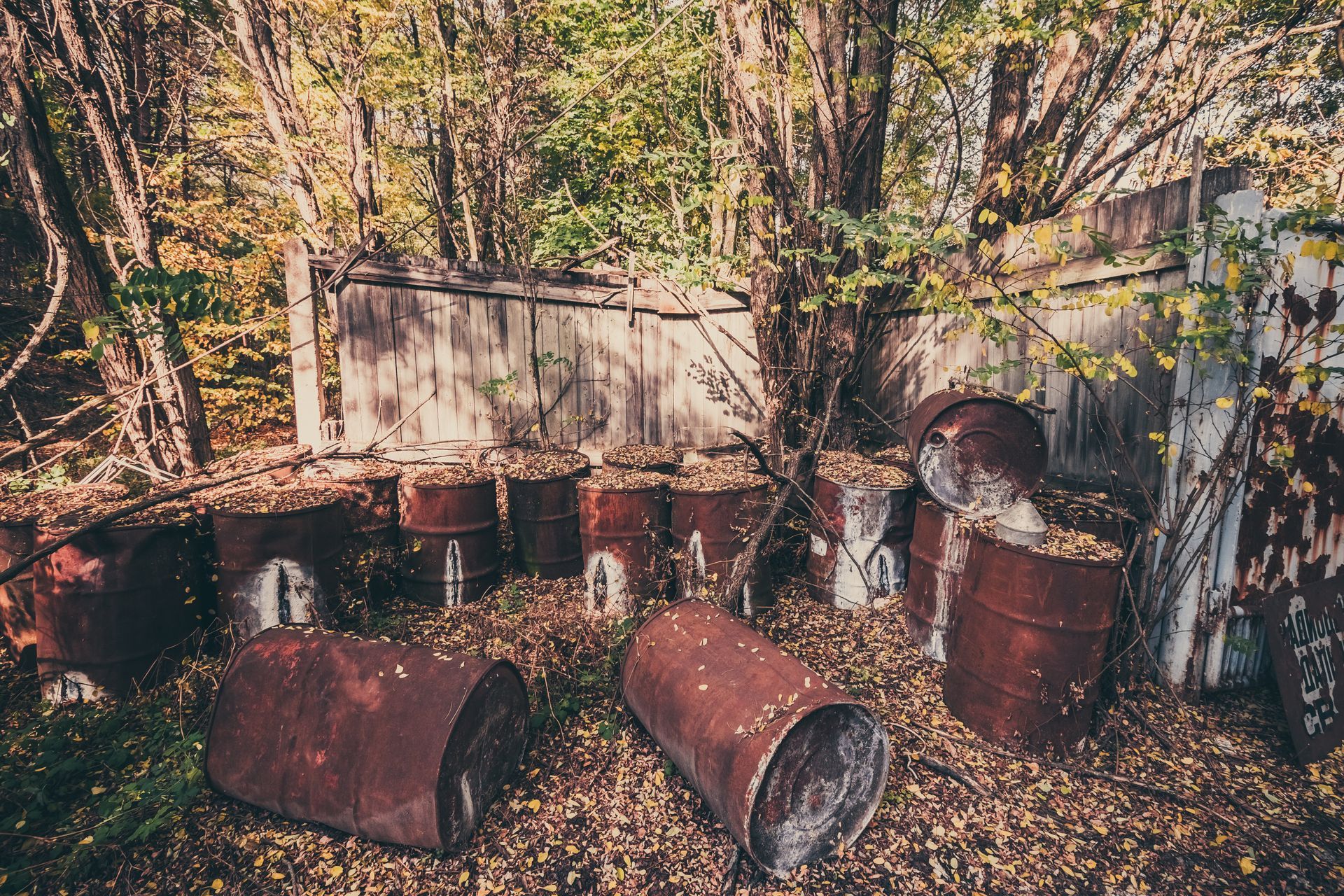
Materials that cannot be recycled or recovered require proper hazardous waste disposal. RCRA-compliant transportation, treatment, and disposal manages all your non-recyclable hazardous materials—ensuring full regulatory compliance and environmental protection while recycling maximizes cost savings.
Industrial Tank Cleaning
Tank cleaning projects often recover valuable materials like process chemicals, solvents, or metals that can be recycled or reused. Tank cleanouts coordinated with material recovery programs maximize value and minimize your disposal costs.
Non-Hazardous Waste Disposal
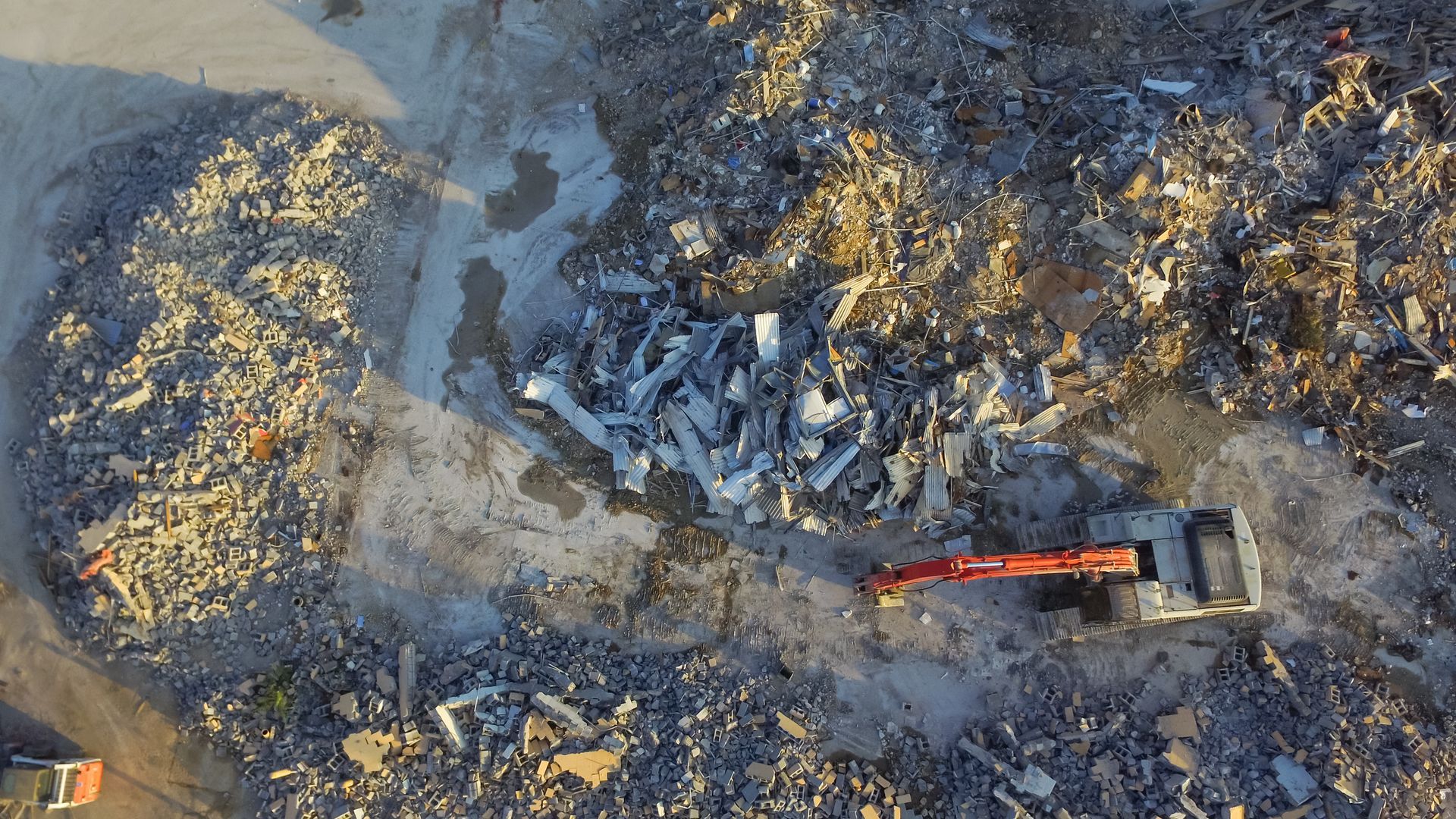
Non-recyclable materials from your operations require proper non-hazardous waste disposal. Integrated waste management handles both recyclables and landfill-bound materials under one service agreement, simplifying vendor coordination and optimizing pickup schedules.
Hazardous Waste Disposal
Materials that cannot be recycled or recovered require proper hazardous waste disposal. RCRA-compliant transportation, treatment, and disposal manages all your non-recyclable hazardous materials—ensuring full regulatory compliance and environmental protection while recycling maximizes cost savings.
Industrial Tank Cleaning
Tank cleaning projects often recover valuable materials like process chemicals, solvents, or metals that can be recycled or reused. Tank cleanouts coordinated with material recovery programs maximize value and minimize your disposal costs.