NATIONWIDE SERVICES
Abandonment Removal Services
Professional Cleanup of Abandoned Facilities, Unknown Waste, and Contaminated Industrial Sites
Call 800-669-9552
U.S. Waste Industries, Inc.
Complete Abandonment Site Restoration from Unknown Waste to Regulatory Closure
HAZWOPER-certified cleanup of abandoned facilities with unknown material characterization, tank decommissioning, soil remediation, and regulatory closure letters—reducing your liability exposure and restoring property value.
Learn About Abandonment Removal
NATIONWIDE SERVICE • REAL PEOPLE 24/7 EMERGENCY RESPONSE • 25+ YEARS • ZERO VIOLATIONS • OSHA HAZWOPER-TRAINED • DOT APPROVED • $21M INSURED
What Is Abandonment Removal?
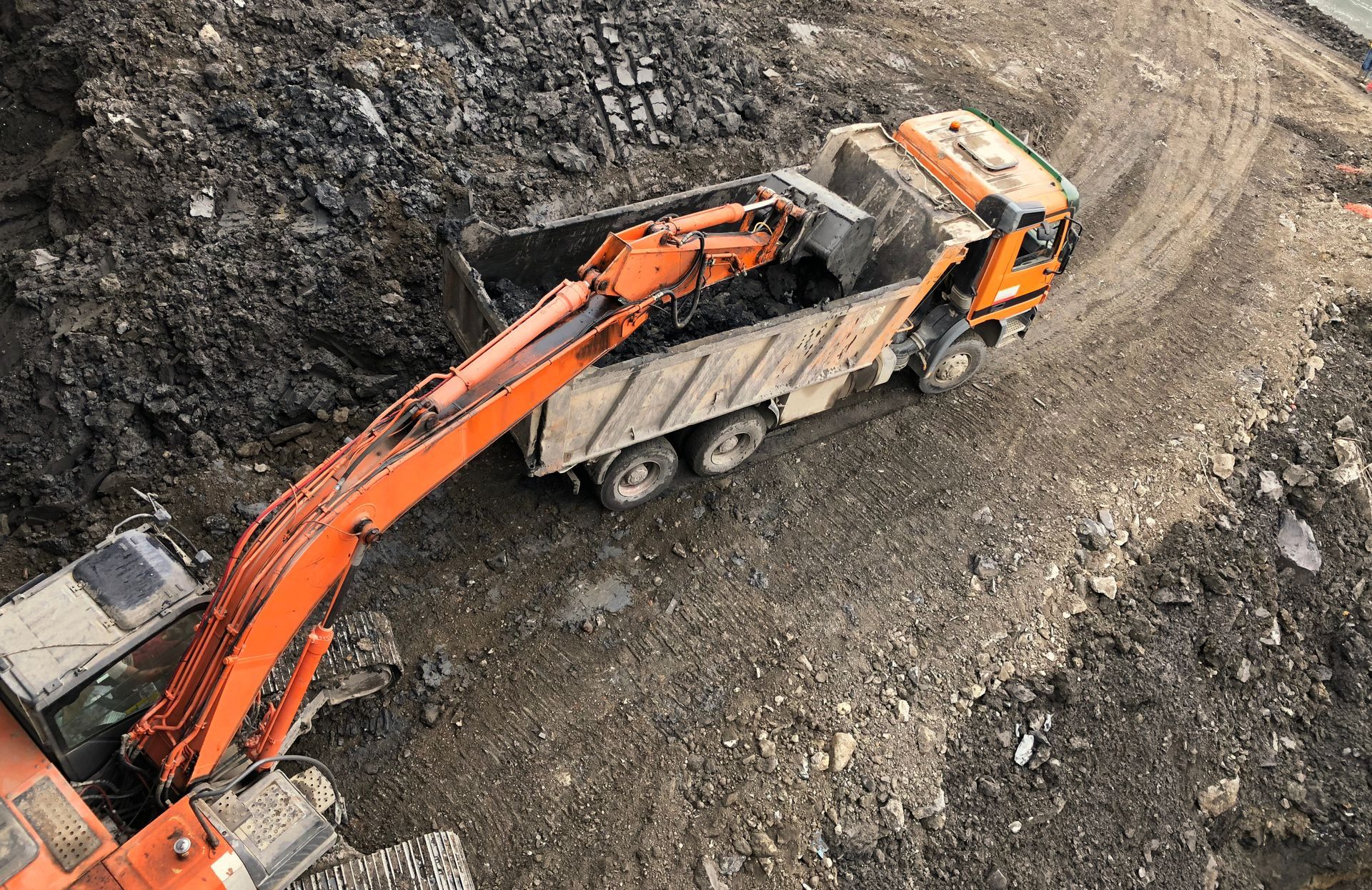
Abandonment removal is the cleanup and restoration of abandoned industrial facilities, mines, oil fields, and contaminated properties to eliminate environmental hazards and regulatory violations. Abandoned sites deteriorate over time creating leaking tanks and failed chemical drums exposing soil and groundwater, structural collapse risks from deteriorating buildings and equipment, soil and groundwater contamination requiring remediation, and regulatory compliance failures exposing you to EPA enforcement.
Professional abandonment removal requires OSHA HAZWOPER-trained specialists who can safely handle unknown hazardous materials, perform confined space entry for tank cleaning, characterize and dispose of deteriorating waste containers, remediate soil contamination, and obtain regulatory closure approvals.
Projects involve on-site hazard assessment and waste identification, removal and disposal of hazardous and non-hazardous materials, tank cleaning and decommissioning, demolition of unsafe structures, soil and groundwater remediation, and regulatory closure documentation.
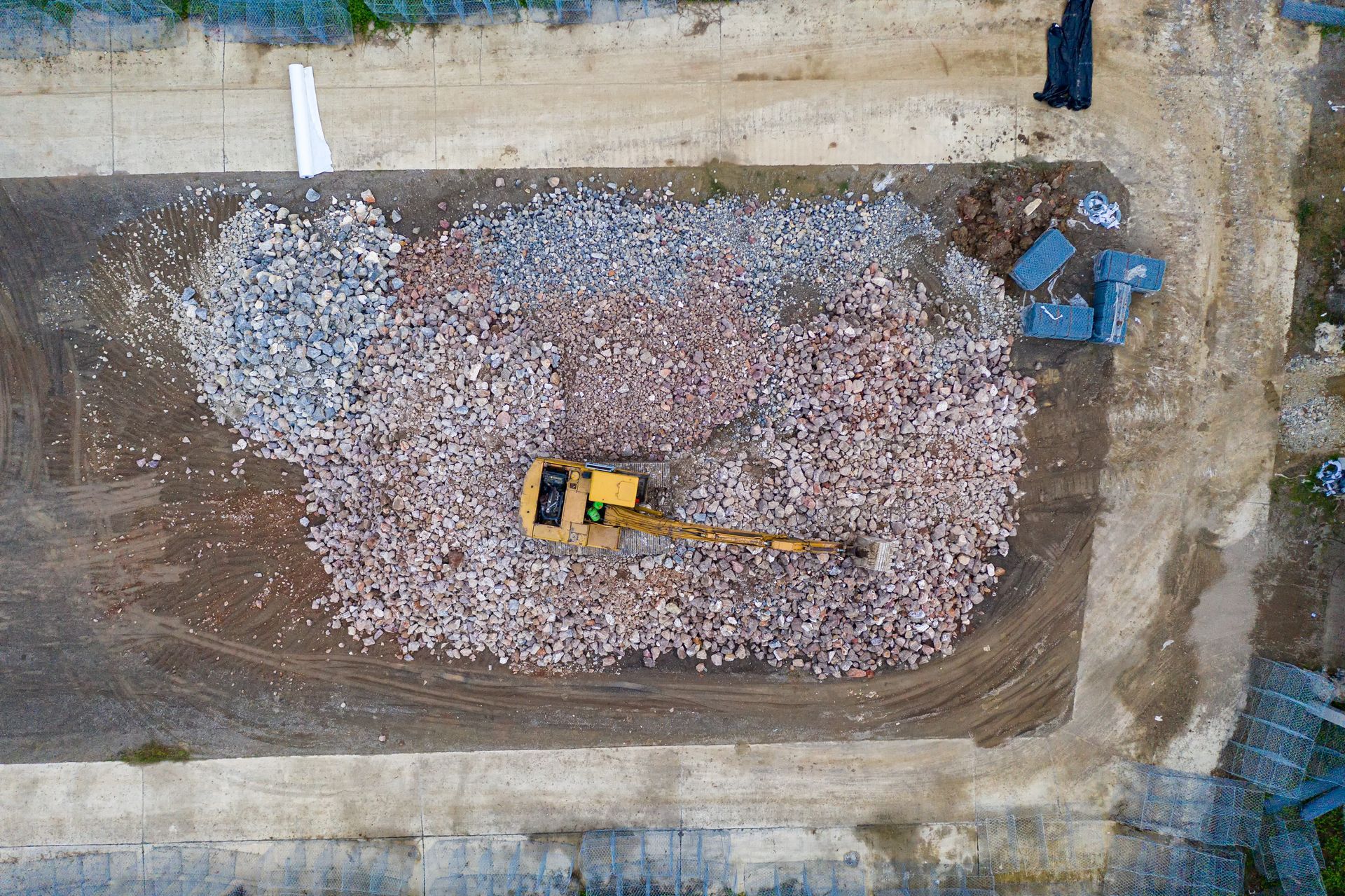
Abandoned site restoration protects you by:
- Reducing CERCLA exposure by documenting cleanup and regulatory closure under the applicable state or federal program
- Removing regulatory violations preventing property sale
- Restoring property value lost to contamination
- Enabling redevelopment or financing approval
Why Abandoned Sites Require Specialized Services
Unknown and Deteriorating Hazardous Materials
Abandoned facilities often contain unlabeled drums, deteriorating chemical containers, and unknown materials requiring specialized handling. Over years of abandonment, container labels fade or fall off eliminating waste identification, drums corrode and leak creating soil contamination, reactive chemicals destabilize becoming explosive or toxic, and mixing incompatible materials creates hazardous reactions.
HAZWOPER-trained specialists perform field testing (pH, flammability, reactivity) and laboratory analysis to safely identify unknown materials before handling. All waste is properly characterized under EPA RCRA regulations, repacked into DOT-approved containers, manifested for transportation, and disposed at permitted facilities. Untrained contractors attempting cleanup risk worker injuries, environmental releases, and regulatory violations.
CERCLA Liability Remains with Property Owners
Under CERCLA (Comprehensive Environmental Response, Compensation, and Liability Act), you are strictly liable for site contamination even if you didn't cause it and even if the facility was abandoned before you acquired the property. This liability includes EPA-ordered cleanup at your expense potentially costing millions, civil penalties that can be significant and may accrue daily depending on the statute, order, and inflation adjustments, third-party lawsuits from contamination impacts, and property liens preventing sale or refinancing.
Cleanup and regulatory closure documentation can reduce liability exposure and support applicable CERCLA defenses, depending on site history, due diligence, and program requirements. Banks and buyers require clean environmental assessments before financing or purchasing properties with abandonment histories.
Structural and Safety Hazards
Abandoned facilities deteriorate creating serious injury risks including collapsing buildings and roofs, failing tanks and vessels under pressure, open pits and excavations, exposed electrical systems, and hazardous atmospheres in confined spaces (oxygen deficiency, toxic gases, flammable vapors).
You face premises liability for injuries to trespassers, squatters, or unauthorized visitors. Professional abandonment contractors perform structural assessments before entry, use air monitoring and ventilation in confined spaces, implement fall protection and rescue systems, and follow OSHA safety standards preventing worker injuries and your liability.
Property Value Destruction
Abandoned contaminated properties sell at substantial discounts compared to clean comparable sites due to buyer concerns about unknown cleanup costs and future liability exposure. Lenders refuse financing until environmental assessments confirm no contamination.
Properties are often difficult to finance or sell until cleanup scope is defined and closure documentation is obtained. Professional abandonment removal with complete documentation restores property value by eliminating contamination, obtaining closure documentation from environmental agencies, providing clean Phase I/II environmental reports for buyers, and enabling property financing and development approvals.
Types of Sites We Restore
Abandoned Industrial Facilities
Typical Challenges: Manufacturing plants, chemical processing facilities, warehouses left vacant after closures or bankruptcies; process chemicals, heavy equipment, contaminated structures, underground storage tanks; hazmat removal, tank closure, asbestos abatement, soil remediation required before demolition.
Abandoned Mines
Typical Challenges: Coal, metal, mineral extraction sites with residual equipment, tailings ponds, acid mine drainage; mine reclamation, equipment removal, tailings stabilization, water treatment systems, erosion control; federal/state mine reclamation programs may fund cleanup.
Abandoned Oil Fields and Refineries
Typical Challenges: Decommissioned wells, storage tanks, pipelines, processing equipment contaminated with petroleum products, drilling fluids, production waste; well plugging, tank removal, pipeline excavation, oily soil remediation, groundwater monitoring; state petroleum cleanup funds may reimburse eligible costs where available.
Abandoned Lagoons and Ponds
Typical Challenges: Industrial wastewater lagoons, settling basins, sludge ponds left unmanaged after facility closures; complete lagoon cleanout with dewatering and sludge removal, sludge solidification using polymer treatment, liner removal or replacement, final closure with soil cover; prevents groundwater contamination.
Abandoned Chemical Storage Sites
Typical Challenges: Drum yards, tank farms, chemical warehouses with deteriorating containers, unknown materials, soil contamination; cleanup performed under the applicable agency or court oversight; waste characterization and lab analysis, container overpacking and repackaging, soil excavation beneath drum storage areas; high-priority enforcement targets.
Foreclosed Industrial Properties
Typical Challenges: Bank-owned properties acquired through foreclosure with unknown contamination and liability risks; lenders require environmental assessments and cleanup before resale; Phase I/II environmental assessments, hazardous waste removal, UST closure, regulatory clearance documentation enabling property sale and financing.
Abandoned Agricultural Facilities
Typical Challenges: Closed farms with pesticide storage, fertilizer tanks, fuel storage, livestock waste lagoons; pesticide container disposal, ammonia tank decontamination, fuel tank removal, lagoon closure; state agricultural agency oversight.
Abandoned Gas Stations
Typical Challenges: Underground storage tanks, contaminated soil and groundwater from petroleum leaks, abandoned equipment, vapor intrusion risks; UST removal, petroleum soil excavation, groundwater monitoring, vapor mitigation systems; state petroleum fund reimbursement may be available where eligible.
Our Abandonment Removal Process
Step 1: On-Site Assessment and Hazard Identification
Comprehensive site evaluation by OSHA HAZWOPER-certified specialists identifying structural integrity of buildings, tanks, and equipment, presence and condition of hazardous materials (chemicals, asbestos, PCBs, petroleum), deteriorating containers and unknown waste, soil and groundwater contamination indicators, regulatory compliance status and permit requirements, and access challenges and safety considerations.
Assessment includes visual inspection, limited sampling, historical records review, and regulatory database searches. Results guide remediation planning, cost estimation, and regulatory coordination.
Step 2: Waste Characterization and Removal
Identification and disposal of all hazardous and non-hazardous materials using field testing (pH, ignitability, reactivity) and laboratory analysis (TCLP for toxicity). Unknown materials are sampled, analyzed, and properly classified under EPA RCRA waste codes (40 CFR Parts 260-279). Deteriorating drums are overpacked into DOT-approved containers. All waste is manifested, transported by licensed carriers, and disposed at permitted TSDFs with certificates of disposal provided.
Work is performed under the oversight of the applicable authority (state agency, EPA, local jurisdiction, or court) when required.
Step 3: Tank Cleaning and Decommissioning
Confined space entry for cleaning and removal of abandoned aboveground and underground storage tanks. Services include:
Atmospheric testing, entry permitting, and rescue provisions per OSHA 29 CFR 1910.146 (with ventilation used as required by conditions)
- Residue removal using vacuum trucks
- Tank degassing to eliminate flammable vapors
- Cutting and dismantling for removal
- Soil sampling beneath USTs for contamination
- State regulatory closure approvals
Tank contents are properly characterized and disposed. Contaminated soil excavated and replaced if necessary. Complete closure documentation satisfies state environmental agencies.
Step 4: Soil and Groundwater Remediation
Cleanup of environmental contamination to meet state residential or commercial cleanup standards. Remediation includes soil sampling to define contamination extent, excavation and disposal of contaminated soil, groundwater monitoring wells if needed, confirmation sampling proving cleanup success, and regulatory closure reporting.
Soil is characterized and sent to an appropriate permitted facility (Subtitle D or Subtitle C) or treated on-site/off-site based on contaminant type and regulatory classification. Closure documentation may allow redevelopment; some sites require institutional controls or ongoing monitoring depending on residual conditions.
Step 5: Demolition and Debris Removal
Controlled demolition of unsafe structures after hazardous material removal. Demolition includes:
Asbestos abatement and required notifications prior to demolition under federal NESHAP and applicable state/local asbestos rules (40 CFR Part 61, Subpart M, where applicable)
Structural demolition using excavators or controlled explosives
Debris sorting for recycling (steel, concrete, copper)
Waste transportation to approved facilities
Site grading to drainage specifications
Salvageable equipment and scrap metal sales offset project costs. All demolition follows OSHA 29 CFR 1926 Subpart T (demolition safety standards).
Step 6: Site Restoration and Regulatory Clearance
Final site restoration and documentation for property transfer or redevelopment. Includes final grading and erosion control, vegetation establishment if required, utility capping, complete project documentation (waste manifests, disposal certificates, soil sampling results, photographs, regulatory correspondence).
State closure documentation (often an NFA/closure letter or equivalent) may confirm cleanup completion under that program; ongoing conditions or monitoring may still apply depending on the site and agency. Documentation supports property sales, financing, and development permits.
Emergency Abandonment Response
EPA enforcement orders, leaking drums, structural collapses, or property acquisition discoveries require immediate containment to prevent liability escalation. If you're facing urgent abandonment situations—drum leaks, chemical releases, EPA orders requiring immediate cleanup, fire hazards, or collapsed structures—our 24/7 HAZWOPER-trained emergency crews mobilize nationwide with specialized equipment for handling unknown materials.
24/7 Emergency Hotline: 800-727-9796 for immediate abandonment response.
Why Work With U.S. Waste Industries
Service-Driven: HAZWOPER-Trained Specialists for Unknown Materials
All field personnel hold OSHA 40-hour HAZWOPER certification (29 CFR 1910.120) for hazardous waste site work. Teams safely handle unknown and deteriorating materials using field testing, lab analysis, proper PPE, confined space entry protocols, and emergency response procedures. Experience managing projects with over 1,000 unlabeled containers requiring characterization and disposal under regulatory supervision. Strong safety record supported by training, documented procedures, and incident prevention practices.
Client-Focused: Turnkey Project Management from Assessment to Closure
Second-generation family-owned business with 30+ years in industrial services. Single-vendor accountability for complete abandonment projects eliminates coordination burdens. Management includes on-site assessment and cost estimation, regulatory permits and agency coordination, hazardous waste removal and disposal, tank cleaning and demolition, soil remediation and sampling, and final closure documentation. Dedicated project managers provide regular updates and ensure work stays on schedule and budget. One contract, one vendor, complete cleanup. Real people answer phones 7 AM-5 PM weekdays—no automated systems.
Guaranteed Compliance: Complete Regulatory Documentation
Federal, state, and local environmental regulations navigated ensuring full compliance and liability protection. Documentation includes EPA RCRA hazardous waste manifests and disposal certificates (40 CFR Parts 260-279), state UST closure approvals, soil and groundwater sampling results, asbestos NESHAP notifications (40 CFR 61.145), and closure letters supporting liability defense and property transactions. Complete documentation supports property sales, financing approvals, and defense against third-party claims. Direct coordination with EPA and state environmental agencies. $21 million pollution liability insurance protects operations. Strong compliance history across thousands of projects.
REQUEST A QUOTE FOR ABANDONMENT REMOVAL SERVICES
Whether dealing with a foreclosed industrial property, abandoned mine, contaminated facility, or unknown waste site, U.S. Waste Industries provides complete abandonment removal from assessment through regulatory closure.
What to include
Provide property address and size, known history (former use, abandonment timeline), visible hazards (drums, tanks, structures, chemicals), contamination concerns (soil staining, odors, known spills), and project urgency or regulatory deadlines.
Abandonment Removal FAQs
Am I liable for contamination at an abandoned site I purchased?
Yes. Under CERCLA (Superfund), you are strictly liable for site contamination regardless of who caused it or when it occurred. Liability includes EPA-ordered cleanup costs, civil penalties that can be substantial and may accrue daily depending on the statute and order, and third-party lawsuits. Certain CERCLA liability protections may apply if proper due diligence (AAI/Phase I), continuing obligations, and other requirements are met; applicability is site-specific. Professional abandonment removal with regulatory closure documentation reduces liability exposure. Never purchase industrial property without environmental assessment.
What is a No Further Action letter?
A No Further Action (NFA) letter is state environmental agency confirmation that site cleanup is complete and meets regulatory standards. NFA letters release properties from environmental oversight under that program, provide documentation supporting liability defenses, satisfy lender requirements for property financing, and are essential for property sales. Obtaining NFA requires complete cleanup including waste removal, soil remediation, sampling proving cleanup success, and comprehensive documentation submitted to state agencies. All agency coordination required for closure approval is managed.
How long does abandonment removal take?
Project timelines depend on site complexity and contamination extent. Simple projects (drum removal, small tank cleaning) complete in 2-6 weeks. Medium projects (abandoned facilities with hazmat removal) require 2-6 months. Large industrial sites with extensive soil remediation take 6-18 months including regulatory approvals. Timeline includes: Assessment and planning (2-4 weeks), permit acquisition (4-8 weeks), waste removal and demolition (1-4 months), soil remediation (2-6 months), regulatory closure (1-3 months). Emergency cleanups under enforcement orders can be expedited.
Can I handle abandonment cleanup myself to save money?
No. DIY abandonment cleanup creates serious safety risks and regulatory violations. Unknown materials require OSHA 40-hour HAZWOPER training (29 CFR 1910.120) and specialized equipment. Improper waste handling violates EPA RCRA regulations with penalties that can be substantial and may accrue daily depending on the violation and statute. Worker injuries from confined spaces, toxic exposures, or structural collapse create OSHA liability reaching $156,259 per willful violation (2024 adjusted rate). Contaminated soil disposal requires waste characterization, manifests, and permitted facilities. Without professional cleanup and regulatory closure documentation, properties remain contaminated and difficult to sell. Professional contractors complete work faster, safer, and with full regulatory compliance protecting you from catastrophic liability.
Do you provide emergency response for abandonment sites?
Yes. 24/7 emergency response teams mobilize immediately for urgent abandonment situations including drum leaks and chemical releases, structural collapse risks, EPA enforcement orders requiring immediate cleanup, property acquisition discoveries, and fire or explosion hazards. HAZWOPER-trained crews with specialized equipment deploy nationwide. Emergency services include containment and stabilization, waste characterization and removal, soil sampling, and regulatory notifications. Call the emergency hotline 800-727-9796 for immediate assistance.
What happens to unknown materials found during cleanup?
Unknown materials undergo systematic identification and disposal. Process includes field testing (pH, flammability, reactivity, corrosivity), laboratory analysis (TCLP toxicity testing, ignitability testing), EPA RCRA waste code determination (D001-D043, F-codes, K-codes, P-codes, U-codes), repackaging into DOT-approved containers, EPA manifest preparation, transportation by licensed carriers, and disposal at permitted Treatment, Storage, Disposal Facilities (TSDFs). Complete certificates of disposal provided documenting proper waste management. All work follows 40 CFR Parts 260-279 (RCRA hazardous waste regulations).
Related Services TO Abandonment Site Restoration
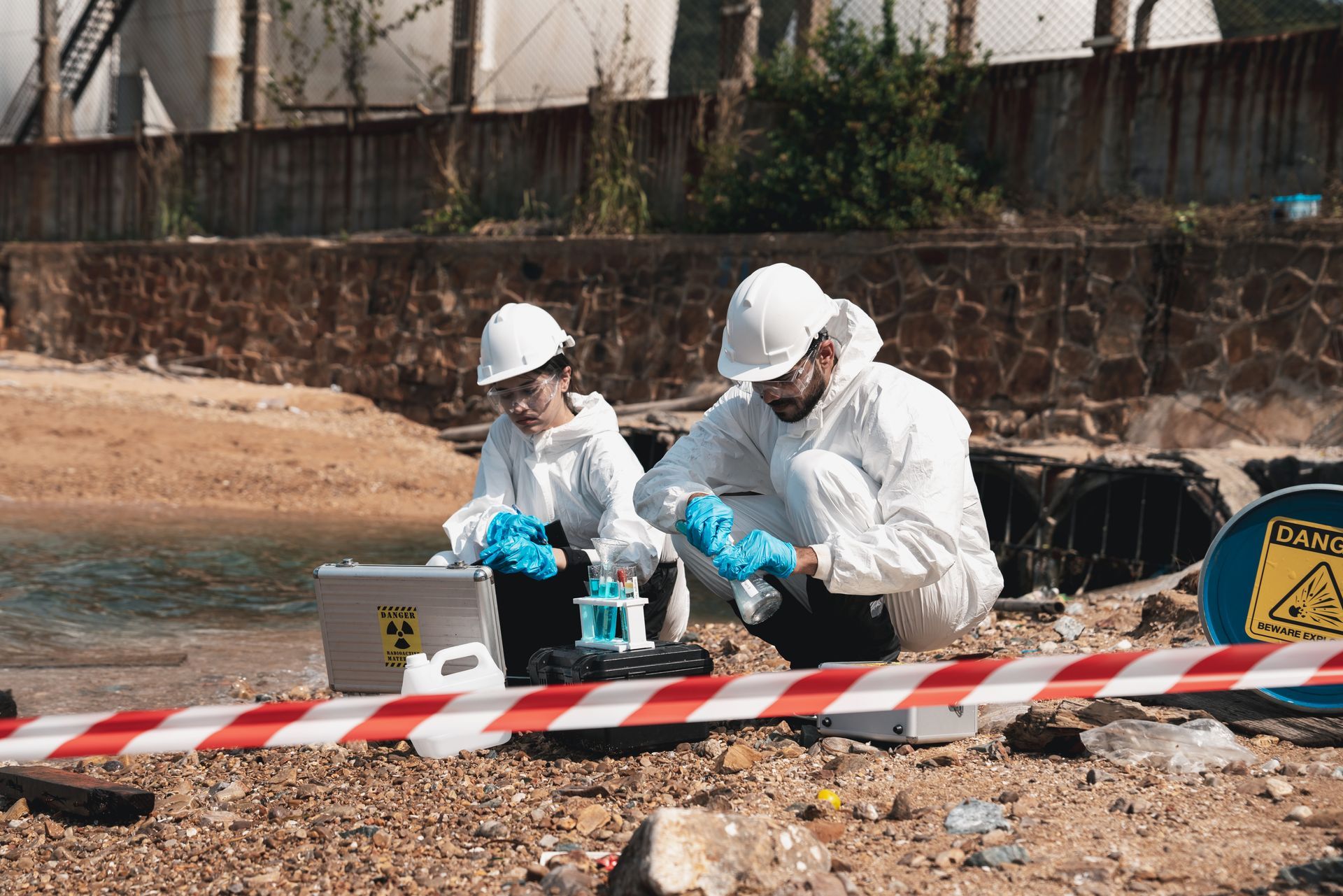
Hazardous Waste Disposal
Abandoned sites contain extensive hazardous waste—deteriorating chemical drums, unknown materials, contaminated equipment, petroleum residues, and asbestos materials.
Site Remediation Services
Contaminated soil and groundwater beneath abandoned facilities, storage tanks, and drum storage areas require environmental remediation beyond waste removal.
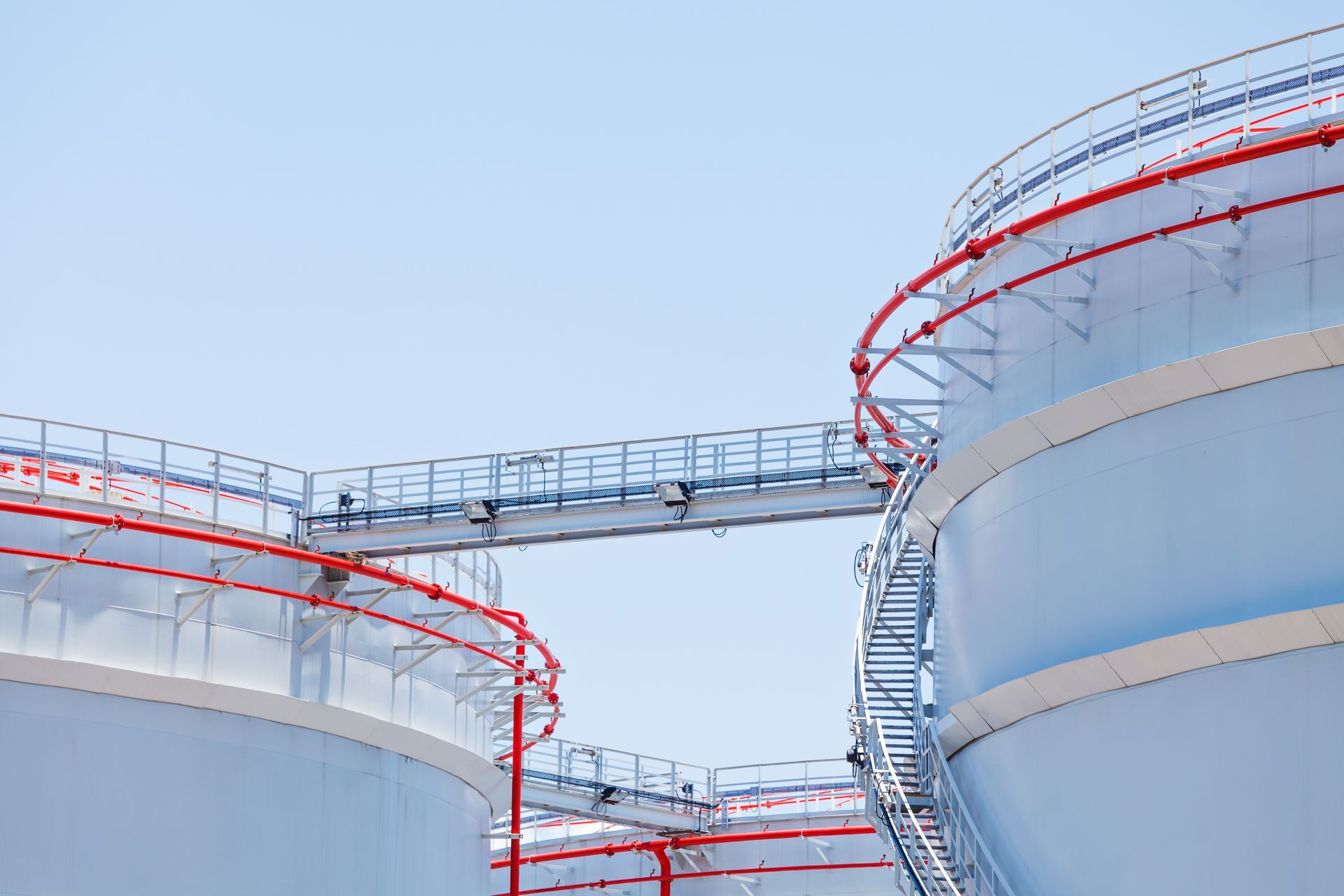
Tank Cleaning & Removal
Abandoned aboveground and underground storage tanks require confined space entry, residue removal, and regulatory closure before site restoration is complete.
Hazardous Waste Disposal
Abandoned sites contain extensive hazardous waste—deteriorating chemical drums, unknown materials, contaminated equipment, petroleum residues, and asbestos materials.
Site Remediation Services
Contaminated soil and groundwater beneath abandoned facilities, storage tanks, and drum storage areas require environmental remediation beyond waste removal.